Imagine starting your morning with a lap around a tree-lined lake, picking up coffee on your walk home, and ending the day with dinner on a lively main street. If you’re considering life near Washington Park and Platt Park in Denver, that rhythm is easy to picture. You want green space, local shops, and a short hop to downtown without giving up a quiet residential feel. This guide walks you through what daily life looks like, the housing mix, tradeoffs to weigh, and how to decide if these neighborhoods fit your next chapter. Let’s dive in.
Neighborhood at a glance
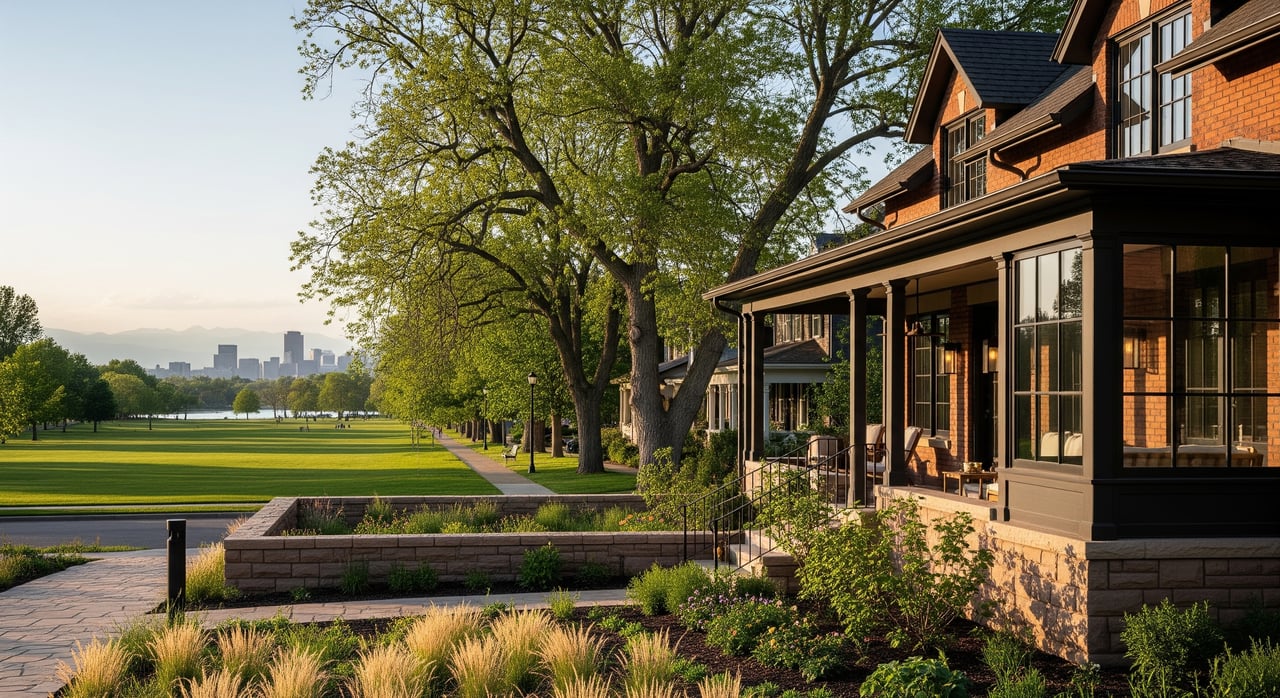
Washington Park, Platt Park, and the adjacent pocket of Bonnie Brae feel like one cohesive area with a strong neighborhood identity. You get tree-lined streets, front porches, and an easy connection to the park and South Pearl Street. The vibe is established and relaxed, with residents who value walkability and local businesses. Mornings start with runners and dog walkers at the park, mid-days are calmer, and evenings pick up around neighborhood restaurants and wine bars.
Parks and outdoor life
Washington Park is the community’s calling card. It has broad lawns, formal flower gardens, mature trees, lakes, playgrounds, ballfields, and a well-used multi-use loop for running and cycling. It functions like a neighborhood living room for workouts, picnics, youth sports, and casual meetups.
You have a recreation center with classes and drop-in programs, plus tennis courts and seasonal activities offered through city and neighborhood groups. Spring and summer bring gardeners and runners, fall highlights foliage and community races, and winter still draws walkers and occasional sledders. Beyond the main park, pocket parks and playgrounds in Platt Park and Bonnie Brae add more options for everyday play and short strolls.
South Pearl Street scene
South Pearl Street in Platt Park is the primary commercial spine. It features independent coffee shops, bakeries, boutiques, casual bistros, wine bars, and everyday services like salons and dry cleaners. The scale feels comfortable and local rather than big-box or club-heavy.
A seasonal farmers market draws neighbors from spring through fall and anchors weekend routines. Evenings feel lively but not late-night intense, with most spots catering to meetups and dinner rather than clubbing. For daily life, you can often walk to essentials like small groceries and pharmacies, and larger supermarkets are a short drive away.
Homes and architecture
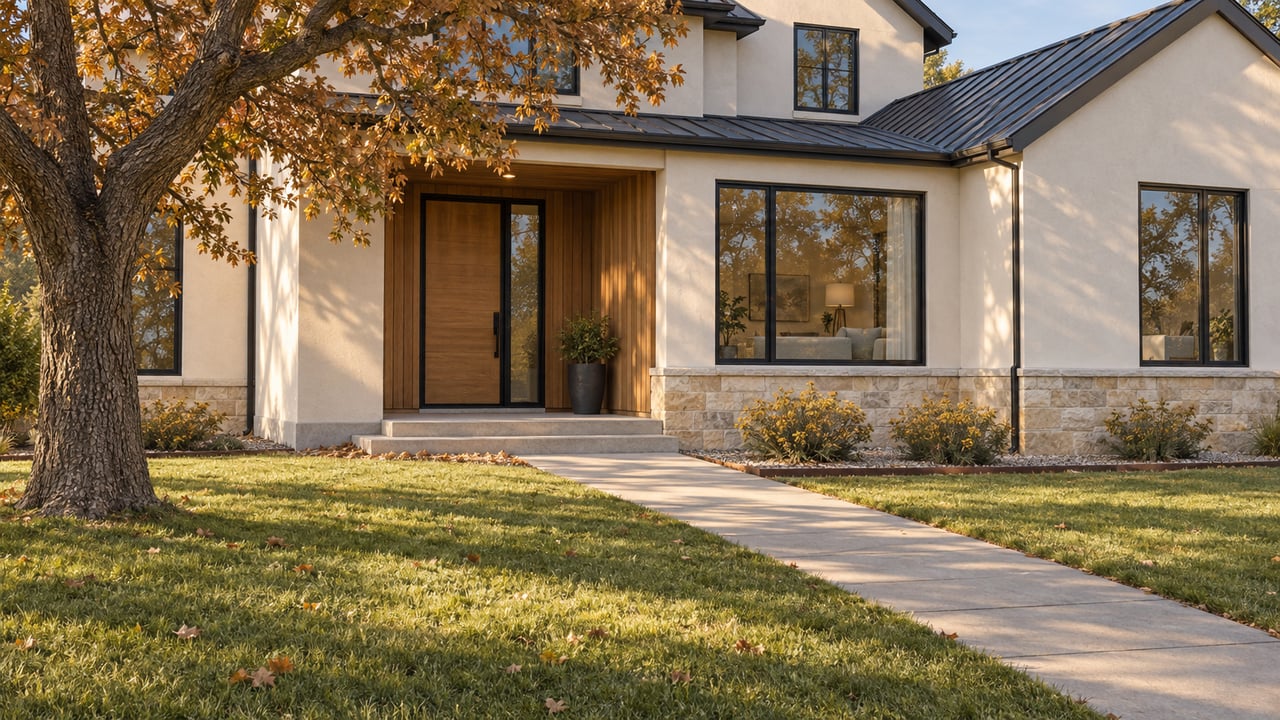
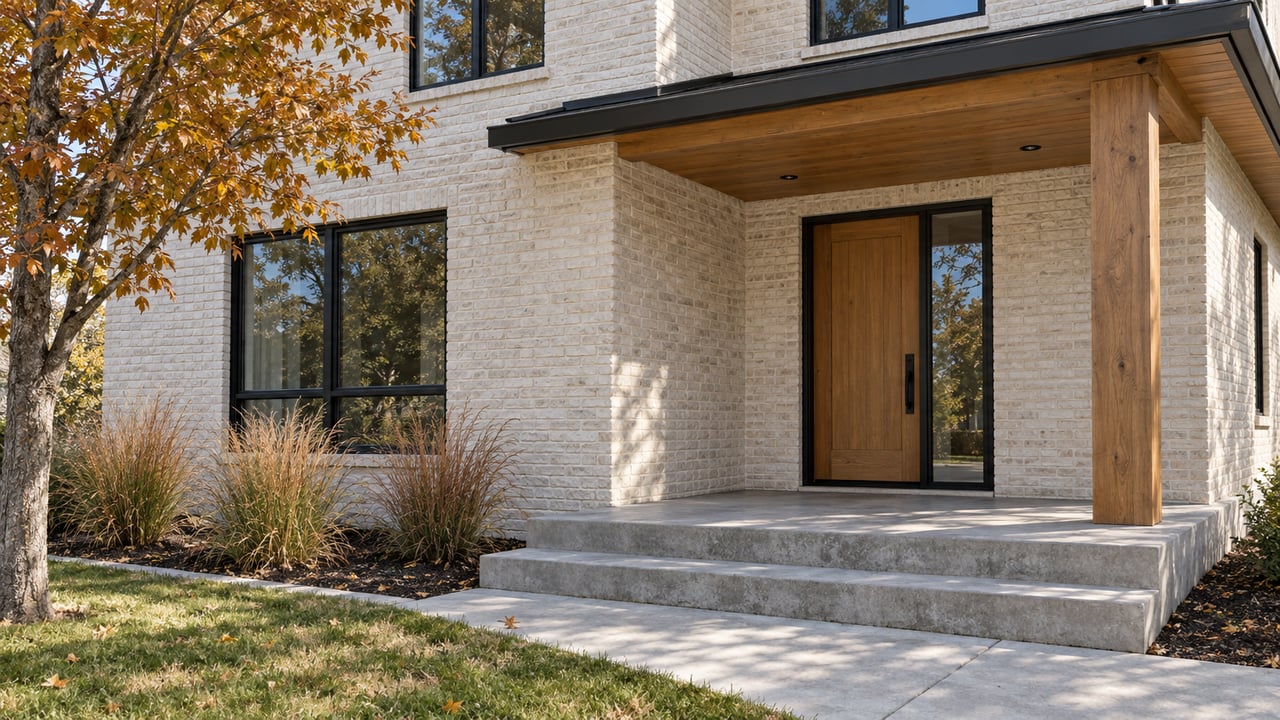
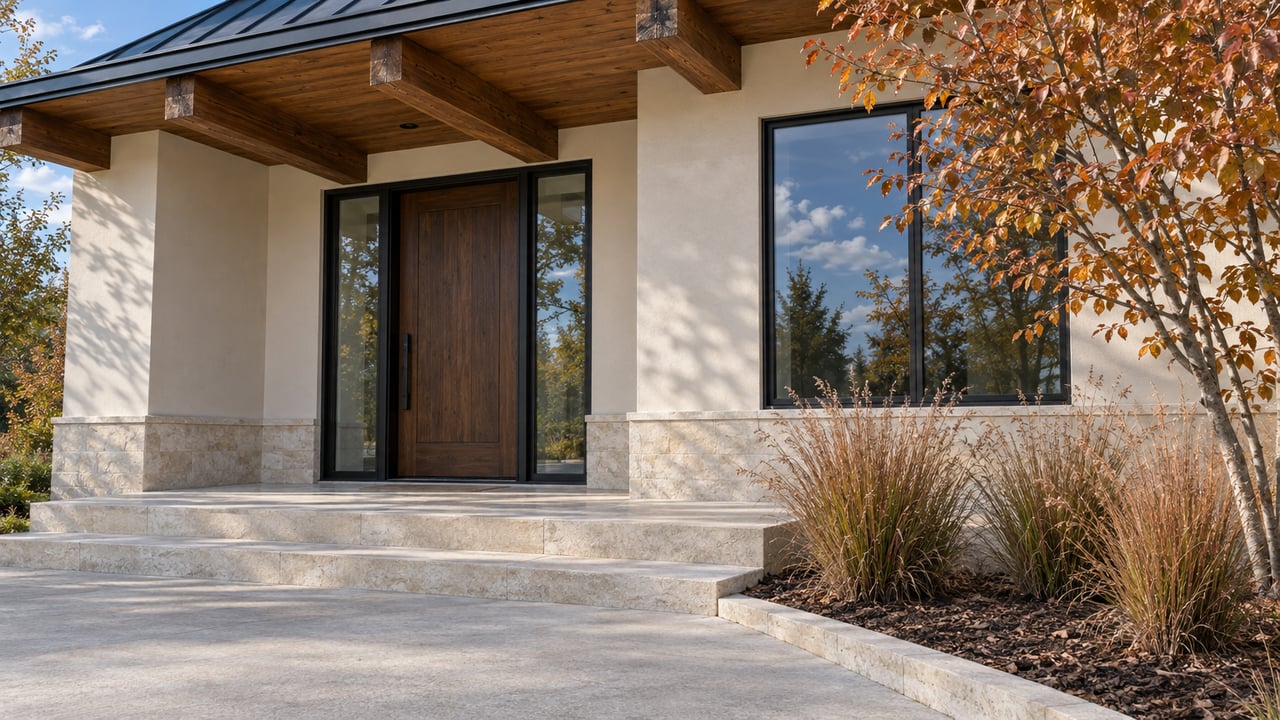
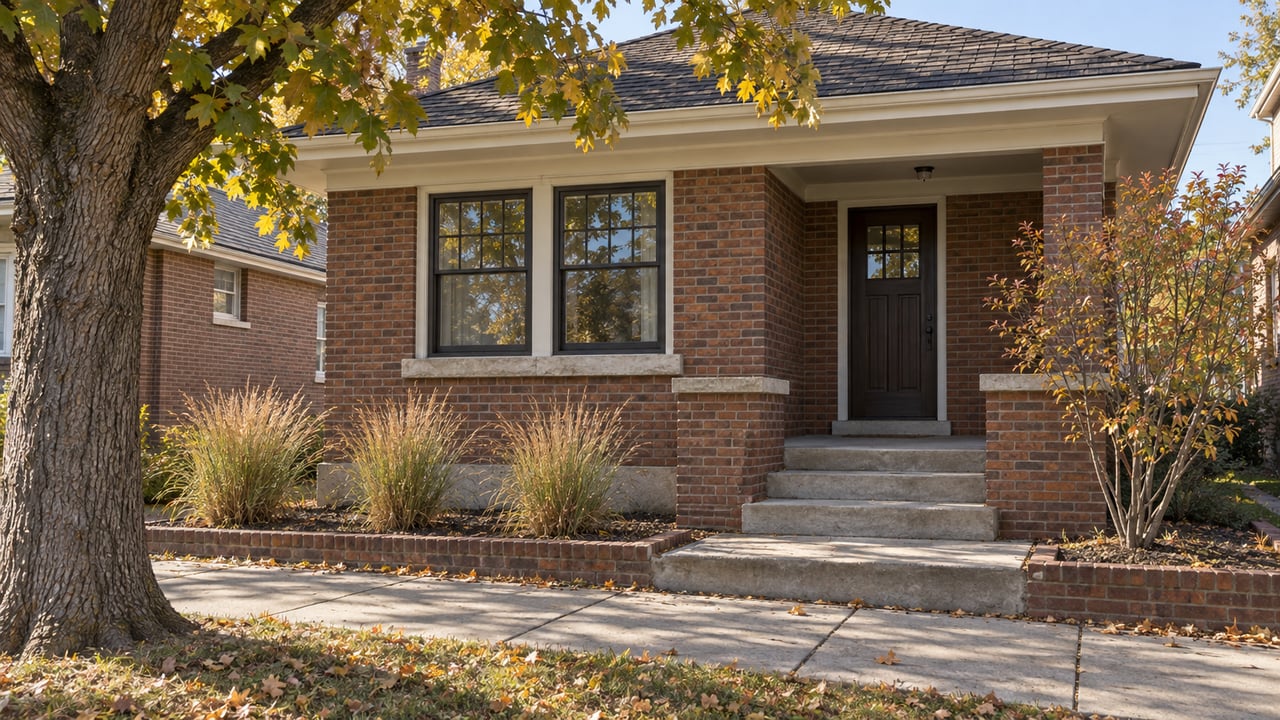
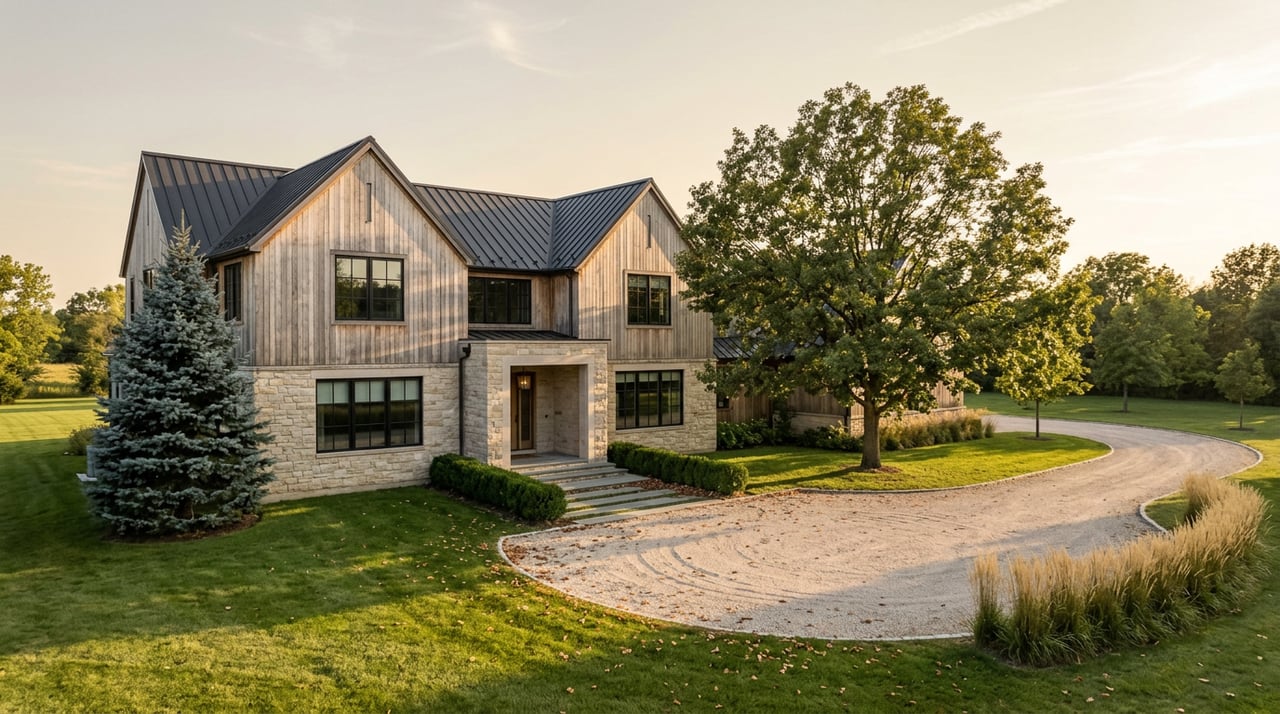
Housing near Washington Park and Platt Park ranges from early 20th-century bungalows and Craftsman homes to Victorians and period rowhouses. You’ll also see new infill single-family homes that respect the established scale, plus low- to mid-rise condos and townhomes closer to commercial corridors. Lots tend to be modest, giving you enough yard to enjoy without a sprawling maintenance load.
If you love character, original details and front porches are common. If you want low maintenance, newer builds and condo options provide modern systems and simpler upkeep. This mix makes it possible to find a fit whether you’re upsizing, rightsizing, or seeking a lock-and-leave home base.
Buying and selling insights
These neighborhoods have historically commanded premium pricing within the Denver market because of the park, walkability, and strong neighborhood identity. Well-located single-family homes often draw attention, and renovated or new-construction properties create competition for older homes.
Owners tend to stay long term, but there is a meaningful mix of condos and townhomes that can serve as rental or entry options. If you’re buying, plan for a range of conditions from lovingly preserved to fully updated. If you’re selling, note that buyers may compare your property against nearby renovations and infill builds.
Practical considerations
- Parking: On-street parking is common, and some older homes have smaller garages. If off-street parking matters to you, confirm details for each property.
- HOAs: Condos and some infill developments have HOAs. Traditional single-family homes often do not.
- Resale drivers: Park proximity and access to South Pearl Street are consistent value-adds for long-term resale.
Getting around
Walkability is a major draw. Many daily needs are close enough for errands on foot, supported by wide sidewalks, crosswalks, and calm residential streets. The park’s loop is popular for casual cycling, and you’ll find bike lanes on many neighborhood streets.
Transit options include several bus routes that connect you to downtown and surrounding areas. The nearest light-rail stations are reachable by a short bus ride or drive, depending on your starting point. By car, access to I-25 and central routes like Speer Boulevard makes regional connections straightforward, though peak-hour traffic can lengthen commutes.
Schools and services
Neighborhood addresses are served by Denver Public Schools, with South High School as the primary public high school in the area. Elementary and middle school assignments vary by address, so it’s best to check current district boundary maps for accurate information.
Several private preschools and K–8 options are located within a short drive. Childcare centers, pediatric clinics, and enrichment programs cluster around the commercial corridor and nearby neighborhoods. Primary and urgent care clinics are close, and major hospitals are accessible in central Denver.
For safety research, the area is generally considered comfortable relative to city averages. Crime patterns can vary by block and over time, so you’ll want to check city police or open-data crime-mapping tools as you evaluate specific addresses.
Who thrives here
- Early-morning exerciser: You might jog the park loop, grab a coffee on South Pearl, and be at your desk quickly whether you work from home or drive downtown.
- Busy household: A typical week may include school drop-offs, playground meetups, and errands on foot, plus a weekend stroll through the farmers market.
- Social weekender: Brunch, casual dinners, and neighborhood events keep your calendar full without leaving the neighborhood.
- Rightsizer: You can enjoy a manageable yard or a condo lifestyle, take fitness classes at the rec center, and connect with neighbors at low-key restaurants.
Tradeoffs to weigh
- Premium pricing: Desirability and walkability can translate to higher prices compared with broader metro averages.
- Yard size: Lots are often modest, which many see as a positive for maintenance, but you may not find expansive backyards.
- Activity levels: Expect more foot traffic near South Pearl and on event days around the park; interior streets are typically quieter.
- Construction: Infill and renovations occur as older homes are updated or replaced, which can mean periodic construction nearby.
Tips for buyers
- Clarify parking: Confirm garage size, alley access, and street-permit rules if applicable.
- Evaluate the home’s era: Older homes offer character but may need system upgrades. Budget for inspections and potential improvements.
- Check proximity tradeoffs: Being close to the park or South Pearl offers lifestyle and resale benefits, and it may also bring more weekend activity.
- Review school details: Verify current school boundaries and program capacities with the district.
- Understand HOA obligations: For condos and some newer builds, review fees, rules, and reserves before you write.
Tips for sellers
- Lead with lifestyle: Highlight walkability, the park, and access to South Pearl. These are consistent value drivers for buyers.
- Shine on first impression: Fresh landscaping, paint, and light staging work well with the neighborhood’s architectural charm.
- Address upgrades: Pre-list inspections, tuned-up systems, and targeted updates can help your home compete with renovated and infill properties.
- Plan for calendar moments: Listing near seasonal events can boost exposure. Coordinate showings and open houses to capture foot traffic.
Is it the right fit for you?
If you want a walkable neighborhood with a signature park, independent shops, and a calm-to-lively daily rhythm, Washington Park and Platt Park are hard to beat. You trade bigger suburban yards for everyday convenience and a strong sense of place. Whether you’re moving up, moving in, or moving on, a local guide can help you match the block and home style to your lifestyle.
If you’d like tailored advice, connect with Nicole Wadsworth for neighborhood-savvy guidance, white-glove preparation, and a clear plan to buy or sell with confidence.
FAQs
How walkable is living near Washington Park and Platt Park?
- Many daily needs are within walking distance, including the park, cafes, local shops, and small groceries, though walkability can vary block by block.
What is the commute to downtown Denver like from these neighborhoods?
- You have multiple bus routes and straightforward driving access; actual travel times depend on time of day and your specific route.
What types of homes are common near Washington Park and Platt Park?
- You’ll find bungalows, Craftsman and Victorian homes, plus townhomes, condos, and sympathetically scaled infill single-family builds.
Will I notice noise or crowds near South Pearl Street or the park?
- Interior residential streets are typically calm, while areas closest to South Pearl and the park see more activity during evenings and seasonal events.
Is parking difficult for older homes near Washington Park and Platt Park?
- On-street parking is common and generally manageable, but garage sizes vary; confirm off-street options and any permit details for each property.