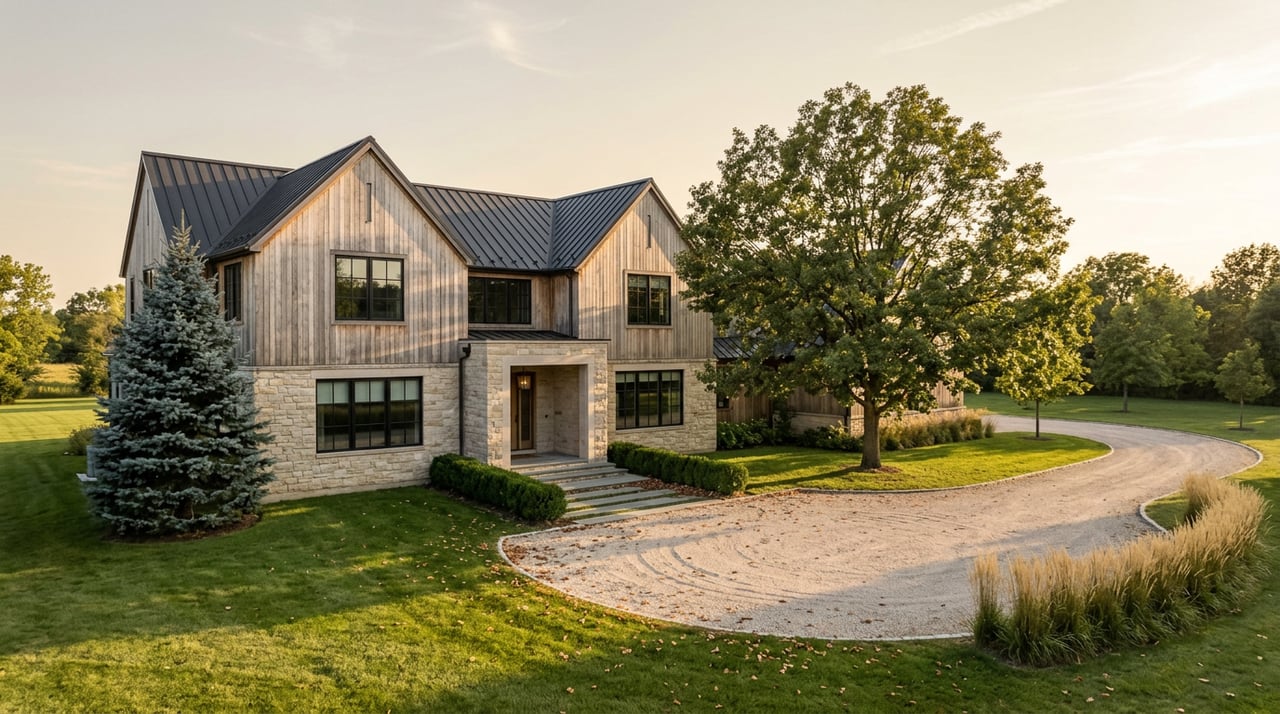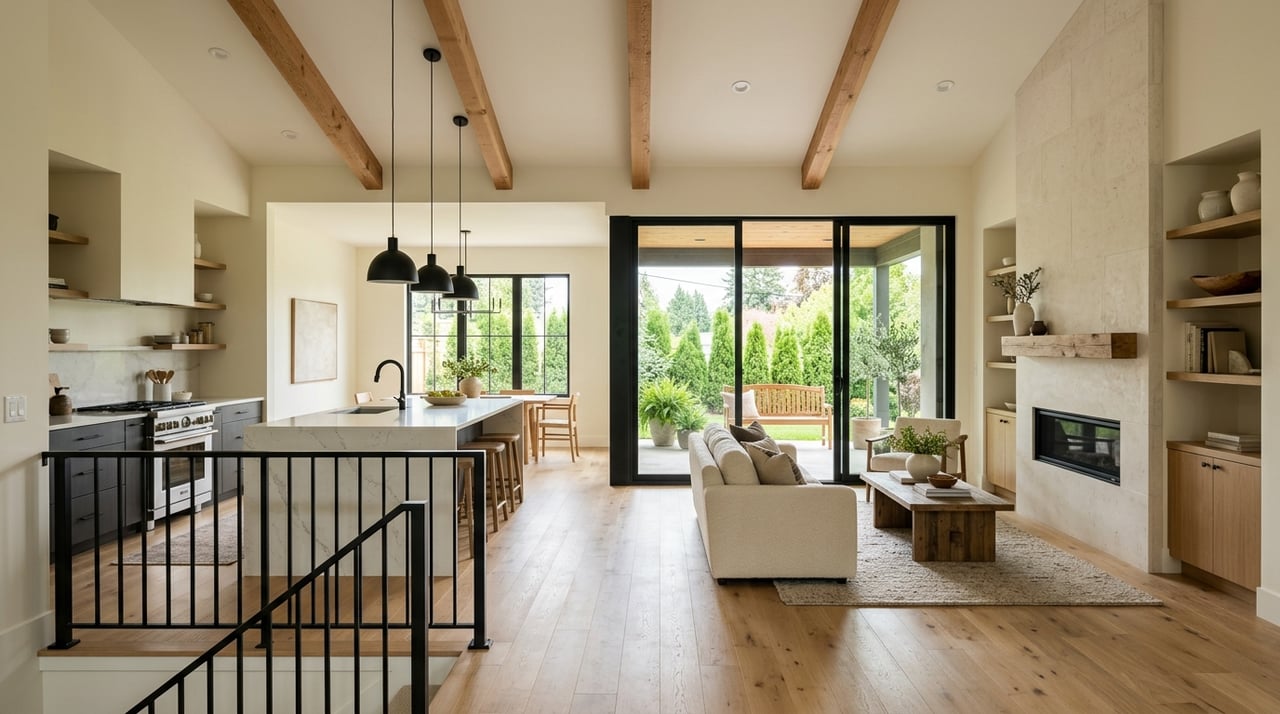
Choosing between Greenwood Village and Cherry Hills Village can feel surprisingly tough because both offer a sought-after south metro address, strong local identity, and access to the Denver area. If you are weighing lifestyle, housing style, commute patterns, and day-to-day convenience, the right fit often comes down to how you want to live, not just where you want to live. This guide will help you compare the two communities through a practical, real-world lens so you can move forward with more confidence. Let’s dive in.
Greenwood Village vs. Cherry Hills Village
Greenwood Village and Cherry Hills Village sit close to one another, but they offer very different living experiences. Greenwood Village is a larger, more mixed-use community with both residential areas and major business activity, while Cherry Hills Village is intentionally low-density and strongly residential in character.
According to the U.S. Census QuickFacts for Greenwood Village, Greenwood Village had an estimated 15,288 residents in 2024 and 6,922 housing units. Cherry Hills Village had an estimated 6,349 residents in 2024, making it the smaller of the two communities.
That difference in scale shapes daily life. If you want more variety and easier access to work hubs, shops, and transit, Greenwood Village may feel more convenient. If you are looking for a quieter, more protected residential setting, Cherry Hills Village may align better with your goals.
Housing Style and Lot Size
Greenwood Village generally offers more housing variety. The city’s comprehensive plan emphasizes maintaining its single-family detached character while also preserving the existing balance of single-family and multi-family residential uses.
In practical terms, that means you are more likely to find a broader mix of home types and neighborhood formats in Greenwood Village. For buyers making a relocation or lifestyle move, that flexibility can be helpful if you want options beyond traditional detached homes.
Cherry Hills Village is more clearly centered on larger-lot, single-family living. Its master plan states that the predominant future land use will remain single-family residential, with land-use categories that include rural-density parcels of 2.5 acres or larger and low-density parcels of 1 acre or larger.
The same plan discourages rezoning that would increase density and also discourages expanding commercial land uses. For you, that translates to a more estate-style environment with an emphasis on privacy, open character, and long-term residential consistency.
Home Values and Ownership Patterns
Ownership patterns also highlight the difference between the two markets. The Census QuickFacts data shows Greenwood Village with a 64.1% owner-occupied housing rate and a median owner-occupied home value of $1,237,800.
Cherry Hills Village shows a 97.0% owner-occupied rate and a median owner-occupied value of $2,000,000+. Those numbers support the view that Cherry Hills Village is a more owner-occupied, lower-density, and higher-value housing market.
If you are comparing the two for a long-term purchase, this is an important distinction. Greenwood Village may offer more range in price points and property formats, while Cherry Hills Village tends to appeal to buyers seeking a more exclusive estate-oriented setting.
Commute and Transit Access
If commute flexibility matters, Greenwood Village has the stronger transportation profile. The city’s economic development page notes that Greenwood Village is served by three light rail stations within city boundaries: Arapahoe Station at Village Center, Orchard Station, and Dayton Street Station.
Greenwood Village also has direct access to I-25, with I-225 immediately adjacent. The city describes itself as reachable from across the metro area by multiple modes of travel, which can make a big difference if you commute regularly or want easier regional mobility.
Cherry Hills Village takes a more cautious view of transportation in its planning documents. Its master plan notes that access in and out of the village can be difficult due to regional congestion and high traffic volumes on state-controlled roadways, including University Boulevard, Belleview Avenue, and Hampden Avenue.
That does not make Cherry Hills Village inaccessible, but it does suggest a more car-dependent experience. If your priority is smooth transit access and connection to major employment centers, Greenwood Village likely has the edge.
Parks, Trails, and Outdoor Time
Both communities offer strong access to the outdoors, but they do it differently. Greenwood Village has the more varied public recreation network, with official city materials describing roughly 40 to 47 miles of trails, 280 acres of parks, and 186 acres of open space through its village profile.
The city also highlights amenities such as the High Line Canal Trail, the Cherry Creek Trail, Westlands Park, a skate park, and equestrian parks and trails. If you want a broad menu of outdoor options, Greenwood Village offers a wide range of recreational settings.
Cherry Hills Village also has a meaningful trail and open-space system, though its amenities are more closely tied to its residential and semi-rural character. The city’s parks, trails, and recreation page reports over 25 miles of trails and 50 acres of parkland and right-of-way improvements, while other official city materials report somewhat different totals.
Because those city totals vary, the safest takeaway is that Cherry Hills Village has a substantial public and private open-space network with a strong emphasis on trails, preservation, and neighborhood-scale recreation. The village also highlights spaces like Quincy Farm, Blackmer Common, and John Meade Park.
Daily Convenience and Local Feel
Greenwood Village tends to offer more built-in convenience for everyday life. The city says it is home to part of the Denver Tech Center, Greenwood Plaza, and Village Center, and it highlights nearby shopping, dining, parks, and a centralized metro location on its economic development page.
For many buyers, that means errands, dining out, and commuting can feel more streamlined. If you want a community where residential living connects easily with business districts and retail destinations, Greenwood Village may feel like the more practical fit.
Cherry Hills Village is more residential in orientation by design. Its master plan discourages expansion of commercial land uses, which supports a quieter day-to-day atmosphere but may also mean relying more on surrounding areas for shopping and dining.
This difference often comes down to preference. Some buyers want activity and convenience close at hand, while others value a setting that stays focused on residential character and open space.
Which Move Fits You Best?
Greenwood Village may be the better fit if you want:
- More housing variety
- Light rail access within the city
- Easier access to I-25 and I-225
- A mix of residential neighborhoods and business activity
- More nearby shopping and dining convenience
Cherry Hills Village may be the better fit if you want:
- Larger lots and single-family emphasis
- A lower-density residential setting
- Greater privacy and estate-style living
- A community shaped around open character and preservation
- A quieter, less retail-oriented daily environment
Neither community is universally better. The smarter choice depends on whether your next move is driven more by convenience and flexibility or by privacy, space, and a more protected residential feel.
Making a Confident Decision
When you are comparing two high-demand communities like these, the details matter. Home style, lot size, transit access, and daily rhythms can have a real impact on how your move feels after the boxes are unpacked.
That is where local guidance becomes valuable, especially if you are relocating, downsizing, or making a high-value move that needs careful planning. If you want help weighing Greenwood Village against Cherry Hills Village based on your timeline, lifestyle, and property goals, Nicole Wadsworth can help you think through the options with a neighborhood-specific approach.
FAQs
Is Greenwood Village or Cherry Hills Village better for commuting?
- Greenwood Village generally offers stronger commute options because it has three light rail stations within city limits and direct access to I-25, with I-225 nearby, according to official city information.
Is Cherry Hills Village more residential than Greenwood Village?
- Yes. Cherry Hills Village planning documents emphasize low-density, single-family residential land use and discourage increased density and commercial expansion.
Does Greenwood Village offer more housing variety than Cherry Hills Village?
- Yes. Greenwood Village planning documents support a balance of single-family and multi-family residential uses, which suggests more housing variety than Cherry Hills Village.
Are lot sizes typically larger in Cherry Hills Village?
- Cherry Hills Village planning documents describe land-use categories that include parcels of 1 acre or larger and rural-density parcels of 2.5 acres or larger, supporting its larger-lot reputation.
Which area has more everyday shopping and dining access, Greenwood Village or Cherry Hills Village?
- Greenwood Village has the stronger everyday convenience profile because official city materials highlight business parks, shopping, dining, and a centralized location in the metro area.
Do both Greenwood Village and Cherry Hills Village have trails and parks?
- Yes. Greenwood Village highlights roughly 40 to 47 miles of trails and extensive park and open-space acreage, while Cherry Hills Village also maintains a substantial trail and open-space network through its parks and recreation system.