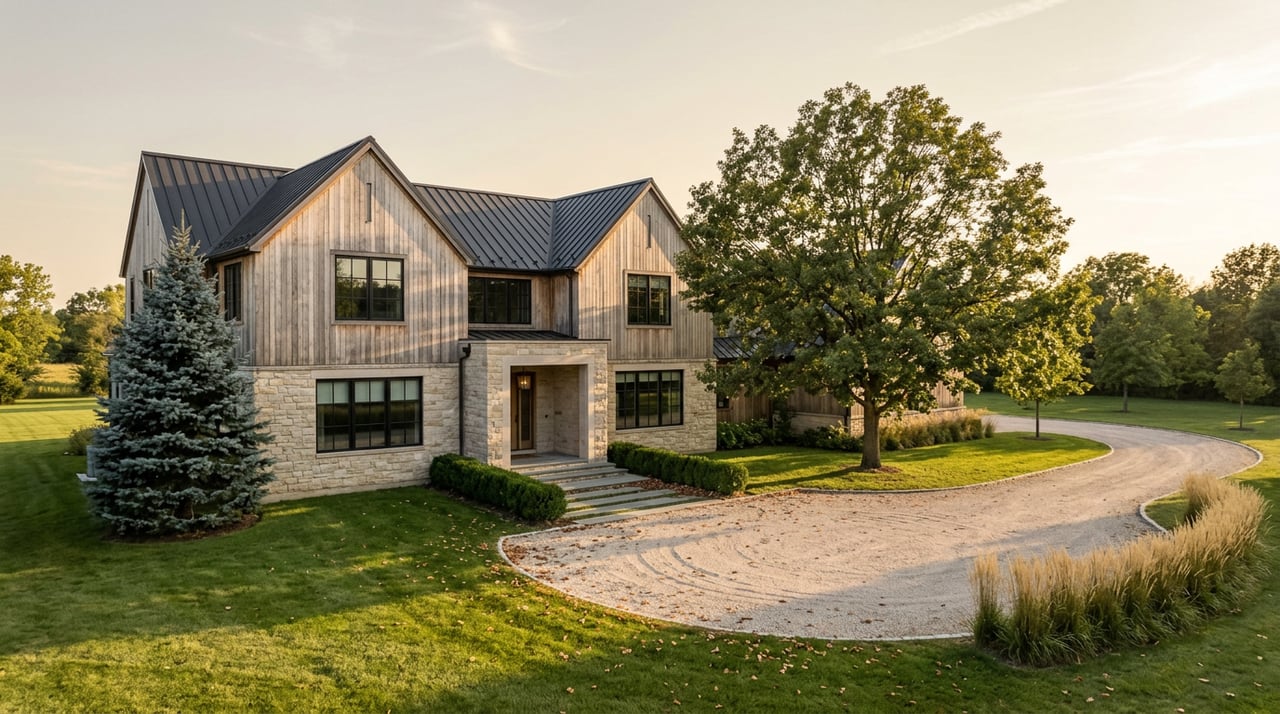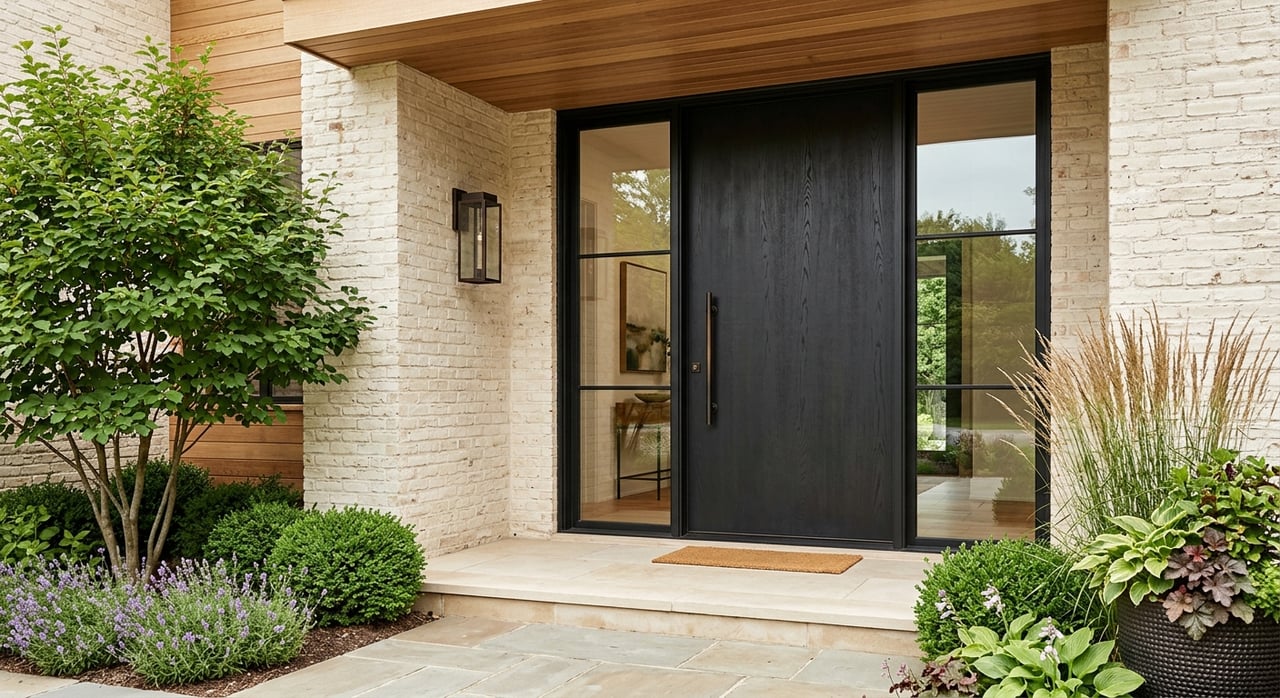
If you are preparing to sell in Greenwood Village, “good enough” usually is not enough. In a market where home values and buyer expectations sit firmly in the premium tier, presentation, condition, and timing can shape both your final price and how quickly your home sells. The good news is that you do not need to over-renovate to make a strong impression. With the right plan, you can focus on the updates and details that matter most. Let’s dive in.
Why prep matters in Greenwood Village
Greenwood Village is a small, affluent city with about 15,288 residents, 6,610 households, and a median owner-occupied home value of $1,237,800, according to Census QuickFacts and city information. That context helps explain why buyers here often look beyond basic livability and pay close attention to finish quality, upkeep, and how polished a home feels.
Current pricing also reinforces the stakes. Redfin’s Greenwood Village market data placed the March 2026 median sale price at $1.45 million, with homes selling in about 11 days and a 100.6% sale-to-list ratio. At the same time, the research report notes median list-price signals around the high-$1.6 million to $1.7 million range, which suggests buyers at this price point still expect a move-in-ready presentation.
The broader metro market has become more balanced, and that matters too. REcolorado’s March 2026 housing report showed 18 median days in MLS across the Denver metro and roughly 12 weeks of inventory, while premium segments saw different conditions depending on price point. For Greenwood Village sellers, that means careful pricing and pre-listing preparation are not optional extras. They are part of the strategy.
Focus on finish, not full renovation
One of the biggest mistakes premium sellers make is assuming they need a major remodel before listing. In many cases, the smarter path is to make the home feel complete, fresh, and easy for a buyer to embrace without turning your pre-sale period into a long construction project.
That approach is supported by the resale data. Zonda’s 2025 Cost vs. Value report found that 8 of the top 10 remodeling projects for return on investment were exterior replacements, including garage door replacement, steel door replacement, and manufactured stone veneer. A minor kitchen remodel was the only interior project in the top five, which supports a practical pre-sale mindset: improve what buyers see first and fix what makes the home feel unfinished.
In the $1 million-plus segment, buyers also tend to be more deliberate. The research report cites DMAR market trends showing that unique or unfinished homes may require more patience and more realistic pricing. In other words, the goal is usually not to personalize your home further. It is to remove friction.
Stage the rooms that set the tone
Staging is not just about decor. In a premium Greenwood Village sale, it helps buyers understand scale, light, and how the home lives day to day.
According to the National Association of REALTORS® 2025 Profile of Home Staging, 83% of buyers’ agents said staging made it easier for buyers to visualize a property as a future home. The same report found that 49% of sellers’ agents said staging reduced time on market, and 29% of agents said it led to a 1% to 10% increase in offered value.
If you are deciding where to focus first, the same NAR research points to a clear order. The most important rooms to stage were the living room, primary bedroom, and kitchen. Those are the spaces that often create the emotional first impression, so they deserve the earliest attention.
First-priority rooms to prepare
- Living room: clarify layout, improve lighting, and remove extra furniture so the room feels open and intentional
- Primary bedroom: create a calm, spacious feel with edited furniture, simple linens, and minimal personal items
- Kitchen: clear counters, reduce visual clutter, and highlight workspace, storage, and natural light
- Dining room: support the overall entertaining story, especially in larger homes where flow matters
Once those rooms are dialed in, you can move on to secondary bedrooms, offices, lower levels, and outdoor living areas.
Start with decluttering, cleaning, and curb appeal
Before you replace a single light fixture, take care of the basics. NAR found that the most common recommendations to sellers were decluttering, cleaning the entire home, and improving curb appeal. Those may sound simple, but they are often the highest-impact steps because they affect every photo, every showing, and every first impression.
Decluttering is especially important in larger homes. Buyers at this price point want to see architecture, volume, storage, and flow. When shelves, counters, mudrooms, and closets feel overfilled, the house can read as smaller and less polished than it really is.
Cleaning also needs to be more than routine. Think windows, grout, baseboards, hardware, stone surfaces, and any area that catches daylight. In premium marketing, small details are easier to spot in person and in photography.
Your pre-listing basics checklist
- Remove excess furniture that interrupts flow
- Edit shelves, counters, and closet contents
- Deep clean floors, trim, windows, kitchens, and baths
- Touch up scuffs, nail holes, and worn paint
- Replace burned-out bulbs and mismatched lighting tones
- Repair minor cosmetic issues before photography
- Refresh entry areas and front approach
Choose minor updates with clear payoff
If your home needs more than cleaning and staging, focus on visible updates that are low disruption and broadly appealing. You want improvements that support the asking price without delaying your listing.
Based on the resale logic in the research report, the strongest candidates often include front-door and garage-door refreshes, selective siding or stone work, fresh paint where needed, lighting updates, and repair-level fixes. These projects align with the Cost vs. Value findings from Zonda and with buyer behavior in premium segments, where finish and completeness matter.
A minor kitchen refresh can also make sense when the space is functional but dated. That might mean updated hardware, lighting, paint, or selective surface improvements instead of a full redesign. The goal is to present a cohesive home, not to chase every design trend.
Updates worth considering before launch
- Front door repaint or replacement
- Garage door improvement or replacement
- Fresh interior paint in worn or highly personalized rooms
- Updated light fixtures and hardware
- Select exterior repairs or material touch-ups
- Minor kitchen updates rather than a full remodel
- Professional repair of obvious deferred maintenance items
Plan exterior prep early
Exterior presentation matters in Greenwood Village, but timing takes more planning than many sellers expect. If you wait until the week before photos to think about landscaping or irrigation, you may run into weather or watering limitations.
That is especially true in 2026. Denver Water’s Stage 1 drought declaration requires lawns to be watered no more than two days per week, only before 10 a.m. or after 6 p.m. The utility also asks customers to keep automatic sprinkler systems off until mid-to-late May, and annual watering rules apply from May 1 through October 1.
The seasonal weather pattern matters too. The research report references NOAA climate normals for Denver International Airport, showing a rise from average March temperatures of about 41.6°F to 57.4°F in May and 75.1°F in July. In practical terms, spring and early summer exterior prep gets easier once temperatures settle, but you still need to coordinate around watering rules and lead times for vendors.
Exterior details buyers notice
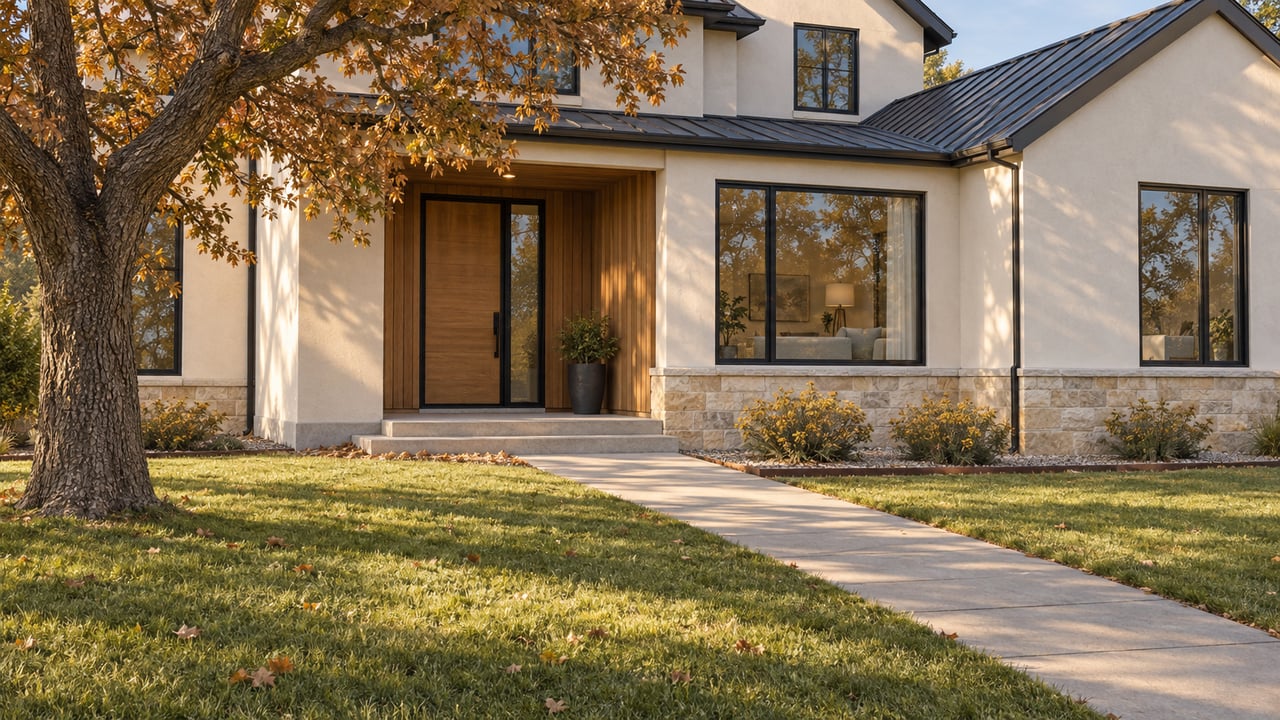
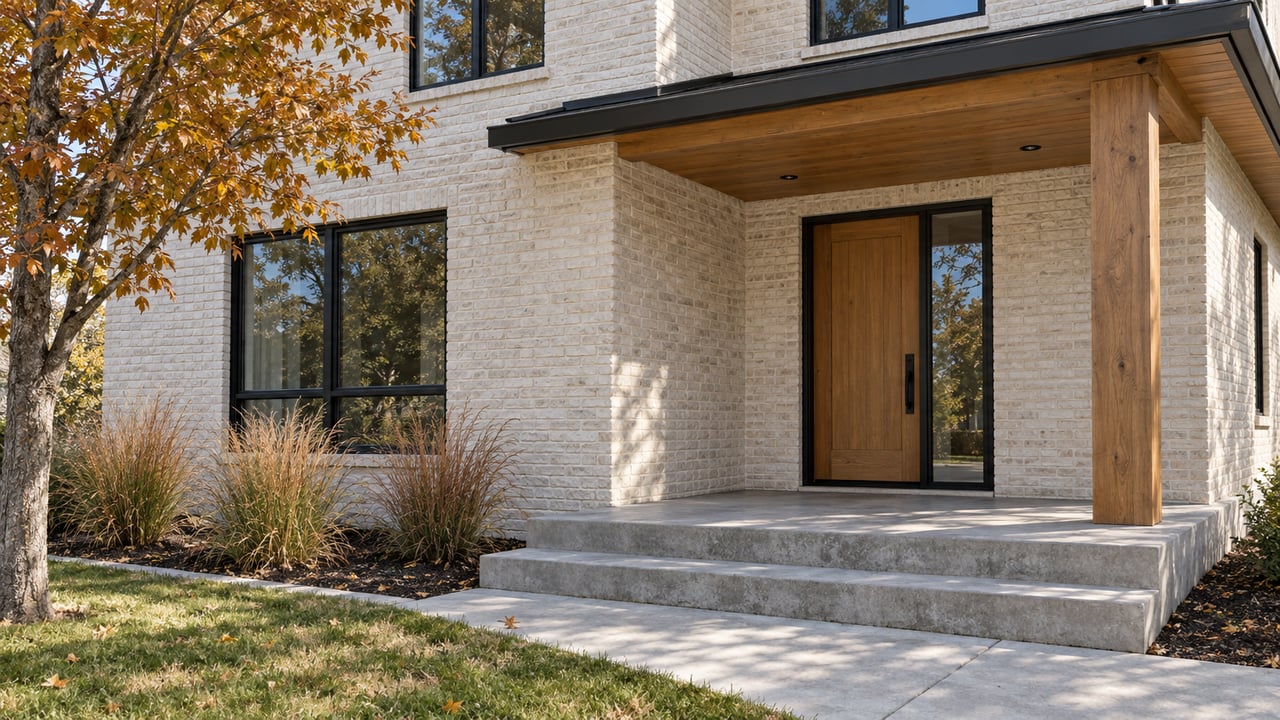
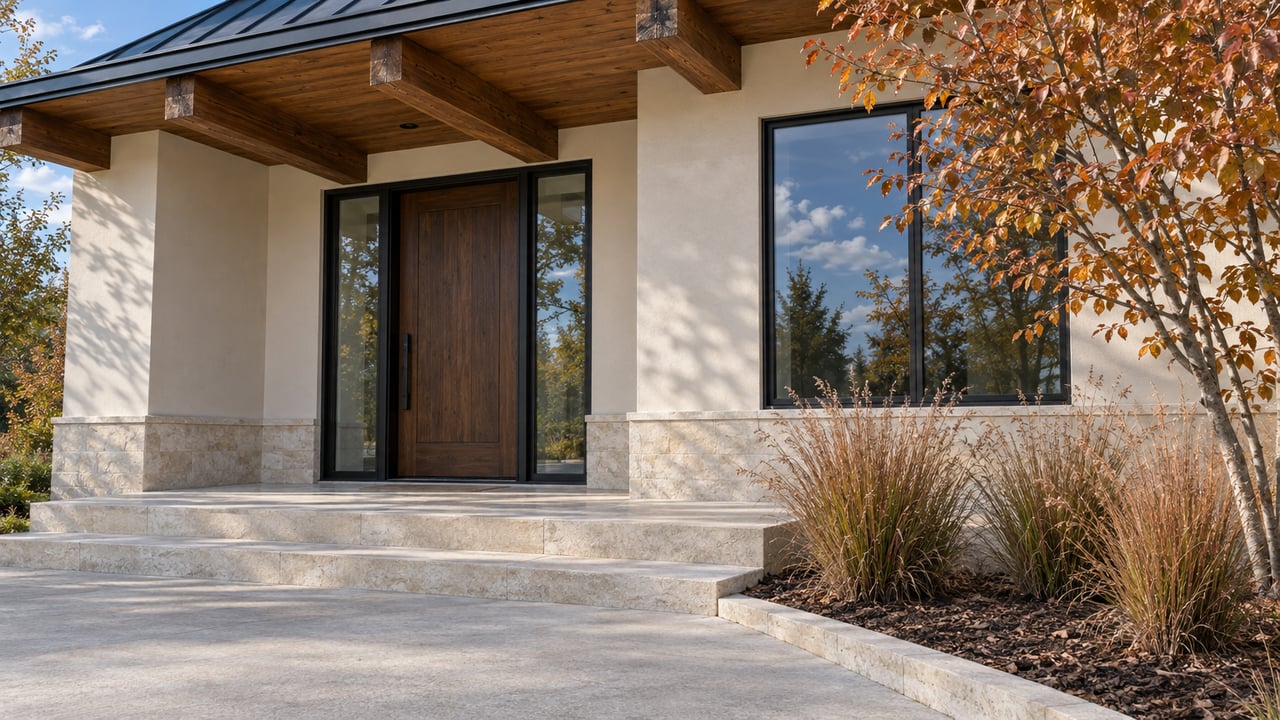
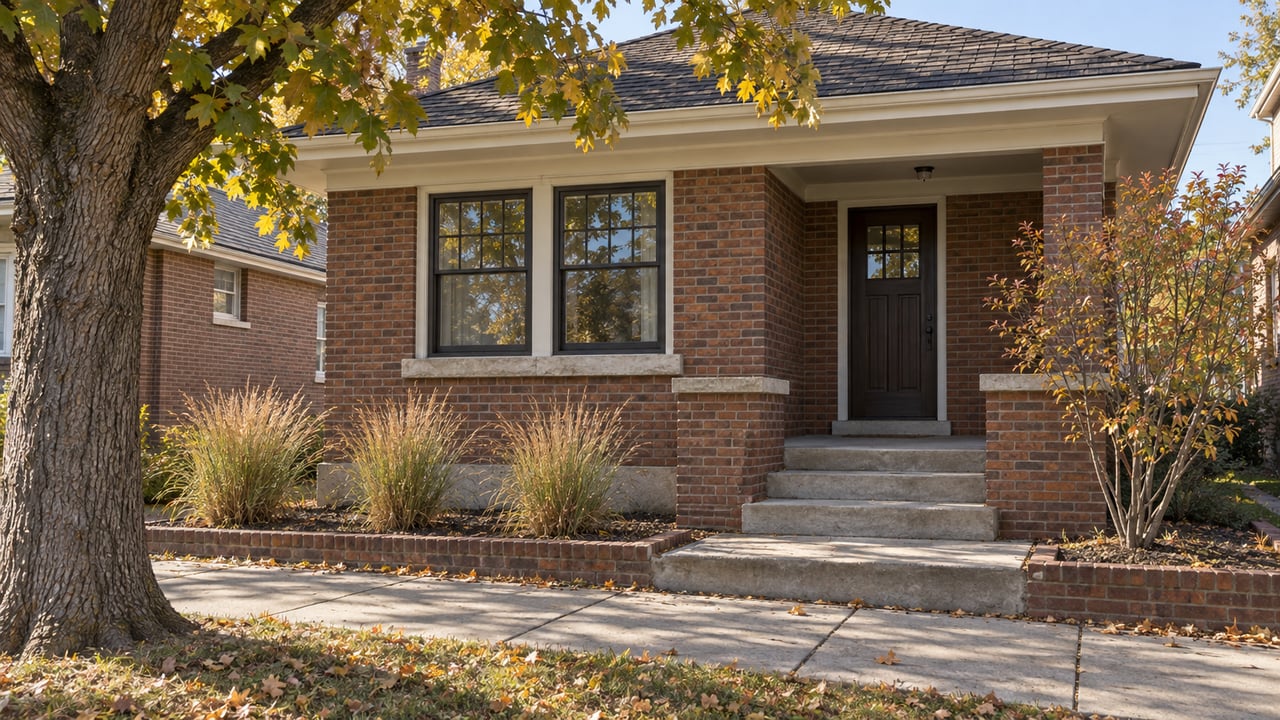
- Clean walkways, driveway edges, and entry hardscape
- Trimmed plantings and tidy beds
- A maintained front lawn within current watering rules
- Clean windows and exterior surfaces
- A clear, welcoming front entry
- Updated or freshly painted front and garage doors
Beat the spring rush
If you are planning a premium sale, it helps to think several months ahead. The strongest listing windows often reward sellers who are finished with prep before buyer activity spikes.
The research report cites REALTOR®.com’s 2026 best time to sell report identifying the Denver-Aurora-Centennial market’s best week as beginning March 8, 2026. That week saw 35.2% more views per property and 12 fewer days on market than the average week. REcolorado also reported that spring activity was already accelerating month over month in March 2026.
For you, the takeaway is simple: do not plan to renovate, declutter, stage, and photograph during the spring rush. Aim to complete your decisions, vendor scheduling, and major prep before that wave arrives. That gives you more control, better marketing quality, and less stress.
A practical prep timeline
You do not need to do everything at once. A structured timeline can help you protect your time and budget while keeping the process manageable.
6 to 12 months before listing
- Walk through the home with a critical eye
- Identify deferred maintenance and visible wear
- Prioritize exterior and repair-level projects first
- Begin planning around ideal spring timing if that is your target window
2 to 4 months before listing
- Complete paint, lighting, door, and repair updates
- Start decluttering storage areas, closets, and secondary rooms
- Plan landscaping and irrigation work early
- Line up staging and photography strategy
2 to 4 weeks before listing
- Deep clean the entire home
- Finalize staging in the living room, primary bedroom, kitchen, and dining room
- Refresh curb appeal and entry presentation
- Complete photo and video preparation
Premium results come from disciplined preparation
In Greenwood Village, buyers are often comparing your home against other well-priced, well-marketed properties in a premium segment. That means your preparation should support a clear story: the home is cared for, complete, and ready for its next owner.
The most effective plan is usually not the most expensive one. It is the one that combines smart minor updates, strong staging, polished marketing readiness, and timing that matches the market. If you want experienced, hands-on guidance for a high-value sale, Wadsworth Property Group can help you build a preparation strategy that fits your home, timeline, and goals.
FAQs
Which rooms should you stage first in a Greenwood Village home sale?
- Start with the living room, primary bedroom, and kitchen, since NAR’s staging research found those rooms matter most to buyers’ agents.
Which minor updates can help a Greenwood Village home feel more market-ready?
- Front-door and garage-door improvements, fresh paint, lighting updates, selective exterior touch-ups, and repair-level fixes often make more sense than a major remodel.
How much exterior work should you finish before listing a Greenwood Village home?
- Complete the visible basics before photos and launch, including entry cleanup, plant trimming, hardscape cleaning, window cleaning, and any door or curb appeal refreshes.
How should you plan around Denver Water rules when selling a Greenwood Village home?
- Plan lawn and irrigation work early, since Stage 1 drought rules limit watering to two days per week and specific times of day, which can affect how quickly your landscape is photo-ready.
When should you start preparing a Greenwood Village home for a spring sale?
- Ideally, begin several months in advance so repairs, staging, and exterior prep are complete before spring buyer activity accelerates.