Thinking about trading Denver’s faster pace for more space and a quieter residential setting? If you are considering a move to Cherry Hills Village, you are likely weighing lifestyle just as much as square footage. The good news is that this move can offer a very different day-to-day experience without taking you far from Denver. Let’s break down what really changes when you relocate from Denver to Cherry Hills Village.
Cherry Hills Village at a Glance
Cherry Hills Village is in Arapahoe County, just south of Denver. The city says it covers about 6.5 square miles and has roughly 6,000 residents, while Census estimates place the 2025 population at 6,389.
Compared with Denver, Cherry Hills Village is far less dense and much more residential in feel. Citywide, it has about 1,039 people per square mile versus 4,674 in Denver, and a 97.0% owner-occupied rate versus 48.8% in Denver.
That shift matters when you are relocating. In practical terms, you are not just moving to a new address. You are moving into a setting designed around lower-density residential living.
Expect More Space
One of the biggest differences is the land itself. Cherry Hills Village’s master plan is built around preserving a semi-rural, low-density residential character.
Lot patterns vary, but many areas are planned for larger parcels. The city identifies rural-density residential on parcels of 2.5 acres or larger, low-density residential on parcels of 1 acre or larger, and medium-density residential on parcels of 16,000 square feet or larger.
If you are coming from a Denver condo, townhome, or smaller city lot, that can feel like a major lifestyle upgrade. You may gain more yard space, more privacy, and more separation from neighboring homes.
At the same time, more land usually means more exterior maintenance. A move like this often shifts your attention from building amenities and walkable blocks to landscaping, upkeep, and the routines that come with a detached-home setting.
Housing Is More Varied Than Many Buyers Expect
A lot of people assume Cherry Hills Village is made up only of very large estates. That is not the full picture.
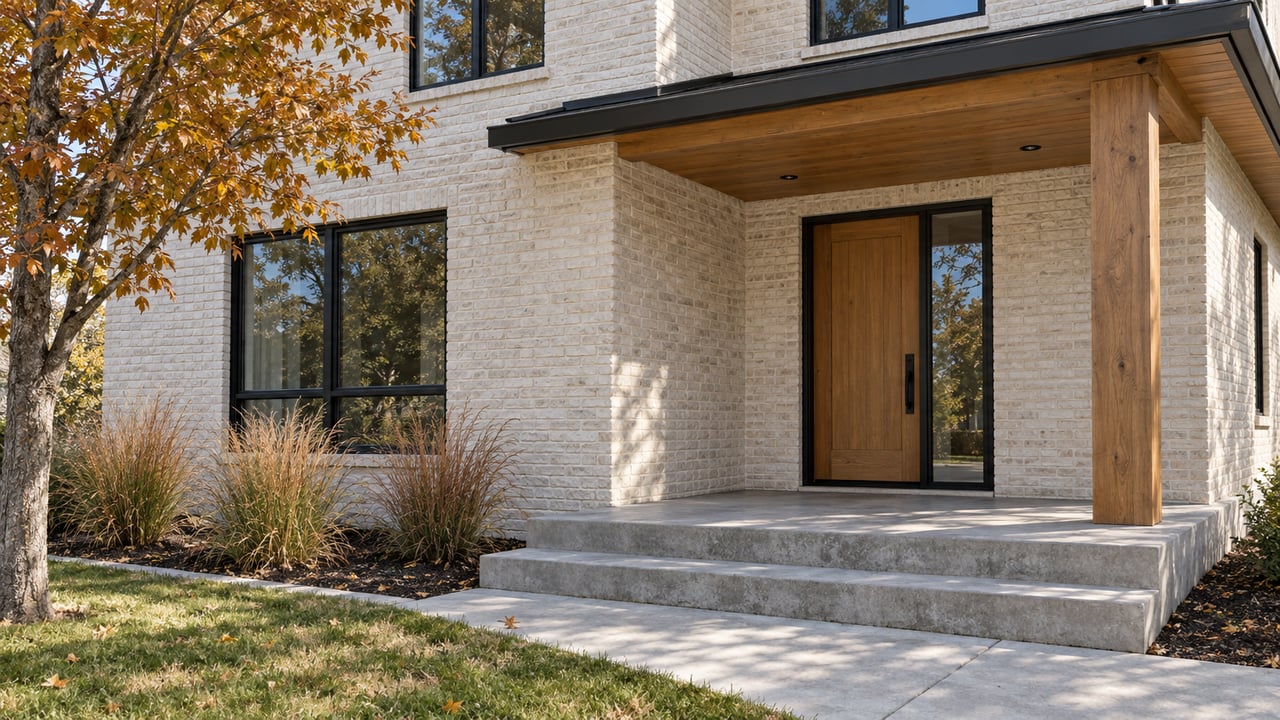
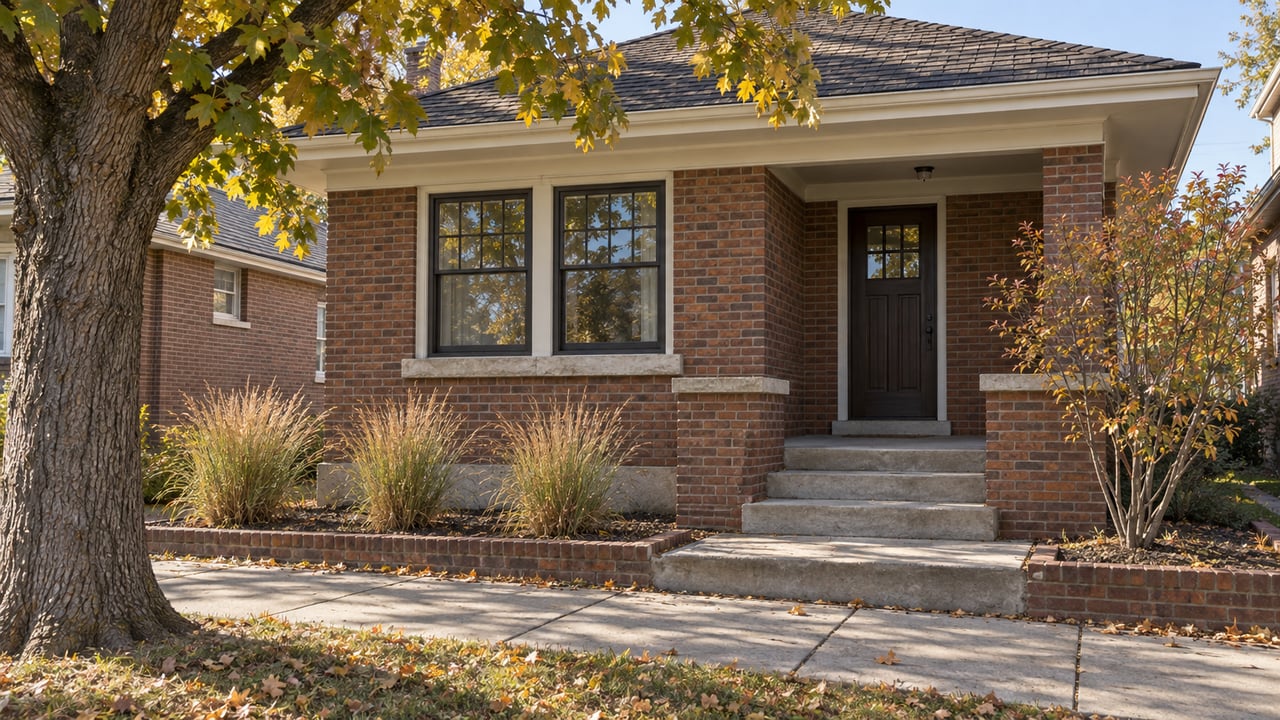
The city’s development report notes that many existing homes are modest one-story ranch-style houses oriented parallel to the street. Some neighborhoods also have smaller square or rectangular lots along a linear grid, while other parts of the city include larger traditional homes and one- to two-story structures.
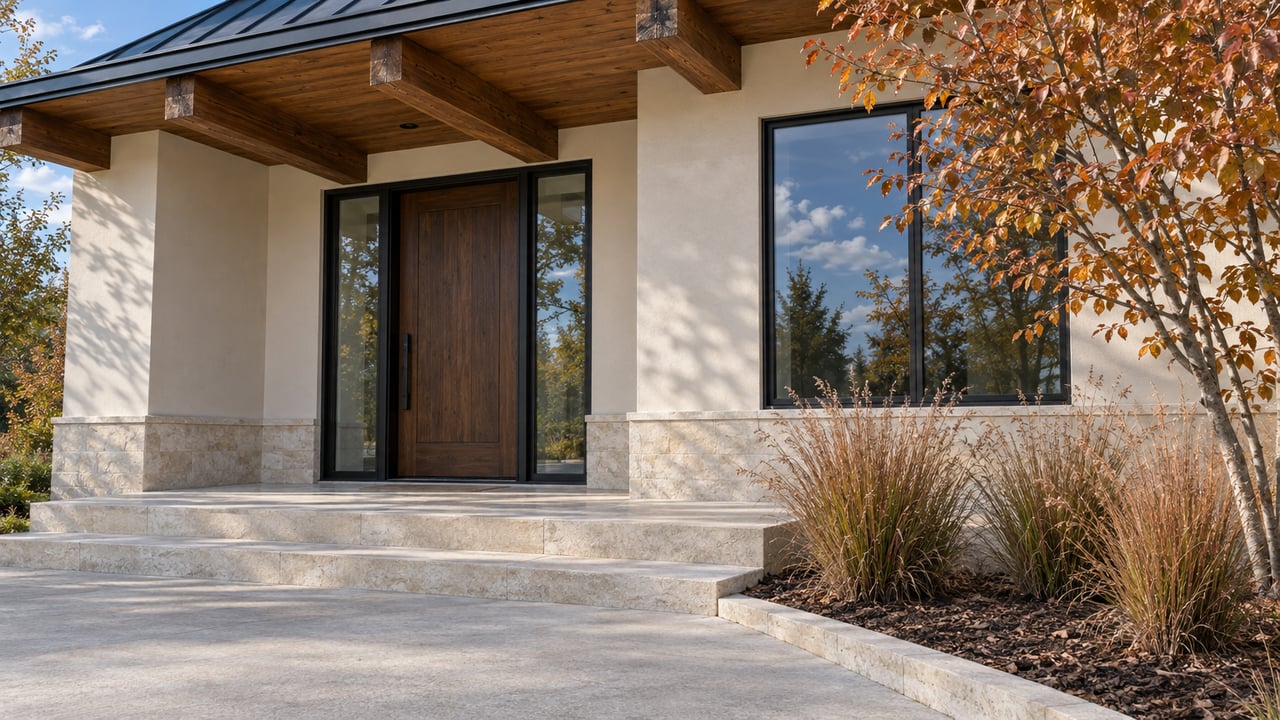
That variety can be helpful if you want the Cherry Hills Village setting but are still figuring out your ideal home size or lot size. It means your search may include everything from older ranch homes to larger custom properties, depending on the specific area and parcel pattern.
The Cost Difference Is Real
Cherry Hills Village and Denver operate in very different price ranges. Census data shows a median owner-occupied home value above $2,000,000 in Cherry Hills Village, compared with $616,000 in Denver.
For many buyers, that means the move is less about getting “more house for less” and more about paying for land, privacy, and a distinct residential environment. It is important to frame your budget around the full lifestyle change, not just the home itself.
If you are selling in Denver and buying in Cherry Hills Village, your equity position, financing plan, and timing strategy all become especially important. A clear relocation plan can make that transition much smoother.
Daily Life Feels More Residential
Cherry Hills Village was intentionally planned without a major commercial center. The city history explains that shopping and services were expected to come from nearby Englewood, Littleton, and Denver, and that approach continues today.
That means daily life typically feels quieter and more residential than central Denver. You are less likely to be in an environment built around mixed-use blocks, corner retail, or an in-town shopping district.
For some movers, that is exactly the appeal. If you want a calmer setting that still keeps regional conveniences nearby, Cherry Hills Village offers that balance.
You Will Likely Drive for More Errands
Because commercial uses are limited, many everyday errands happen outside city limits. That does not mean services are hard to reach. It simply means convenience works differently here than it does in many Denver neighborhoods.
In Cherry Hills Village, public life revolves more around parks, trails, schools, and municipal facilities than around local retail. If you are used to walking to coffee, groceries, or services in Denver, you should expect more driving as part of your routine.
This is an important mindset shift before you move. A home may feel close to Denver on a map, but the rhythm of daily life can still feel very different.
Parks and Trails Are Part of the Lifestyle
Cherry Hills Village maintains more than 25 miles of trails and 50 acres of parkland and right-of-way improvements. City parks are open daily from 6:00 a.m. to 11:00 p.m.
For many buyers, this is one of the strongest lifestyle benefits of the move. Access to trails and open space supports the calm, low-density character the city is trying to preserve.
If your ideal day includes walking, biking, or simply having more room around you, these amenities can become a meaningful part of your routine. They also help explain why the area feels distinct from Denver, even though it remains close to the city.
Commute Times Can Be Favorable
A move from Denver to Cherry Hills Village does not always mean a longer commute. In fact, Census data shows a mean commute time of 20.6 minutes in Cherry Hills Village, compared with 24.9 minutes in Denver.
Still, commute quality depends heavily on your exact route and schedule. The city’s master plan identifies getting in and out of the village, cut-through traffic, and alternative travel modes as key transportation issues.
University Boulevard, Belleview Avenue, and Hampden Avenue are major arterial corridors that carry regional traffic through or near the city. So while the average commute can look favorable on paper, your real-world experience may still be shaped by traffic patterns on those roads.
Transit and Access Still Matter
Cherry Hills Village may feel more tucked away, but it is not disconnected. The city’s master plan says transit is available on major perimeter roads and University Boulevard, with a circulator route along Happy Canyon Road.
That supports the area’s practical appeal for people who want a more spacious residential environment while staying connected to the broader metro area. The city’s transportation framework also aims to balance cars, transit, biking, and walking while preserving its semi-rural character.
If you work in Denver or regularly travel across the metro, location within Cherry Hills Village can have a big impact on your day-to-day convenience. Looking beyond the house itself is key.
City Services Are Straightforward
Cherry Hills Village services are centered around the Village Center and Joint Public Safety Facility at Quincy Avenue and University Boulevard. Both operate on weekday hours from 8:00 a.m. to 4:30 p.m.
The city’s streets division handles street maintenance, snow removal, and drainage within city rights-of-way. For buyers relocating from Denver, this can be useful context because local services may feel more centralized and municipal in character.
Understanding how the city functions helps set expectations early. In a lower-density community, the service model often feels more focused on infrastructure, public safety, and preservation of the residential environment.
School Planning Should Be Address-Specific
If school boundaries are part of your move, avoid assumptions based on neighborhood name alone. Cherry Creek Schools says neighborhood schools are assigned according to the residence and provides a map-based school locator for specific addresses.
That means one of the smartest steps in your home search is verifying school assignment once you narrow down a property. This is especially important in relocation moves, where small address differences can matter.
Clear, address-level verification helps you make a more confident decision. It is a simple step that can prevent surprises later.
Is the Move Right for You?
Relocating from Denver to Cherry Hills Village makes sense if you want more space, a lower-density setting, and a lifestyle centered more on home, trails, and residential calm than on walkable urban convenience. It can be a strong fit for buyers who value privacy, detached homes, and access to Denver without living in its day-to-day intensity.
It may be less ideal if your top priority is being able to walk to a wide range of shops and services. The tradeoff here is clear: more land and a quieter setting, with more driving built into daily life.
If you are weighing that tradeoff, local guidance matters. The right move depends on your commute, budget, preferred lot size, and how you want your everyday routine to feel.
Whether you are moving across town or making a larger lifestyle shift, Wadsworth Property Group can help you evaluate the details with clear, neighborhood-specific guidance.
FAQs
What is the biggest difference between Denver and Cherry Hills Village?
- The biggest difference is density and lifestyle. Cherry Hills Village is much less dense, more owner-occupied, and more focused on low-density residential living than Denver.
Are all homes in Cherry Hills Village large estates?
- No. The housing stock includes older one-story ranch homes and smaller lots in some areas, along with larger traditional and custom homes on bigger parcels.
Does Cherry Hills Village have shops and services in town?
- Commercial uses are limited, so many shopping and service trips happen in nearby Englewood, Littleton, or Denver.
Is Cherry Hills Village closer to a suburban or urban lifestyle?
- It is more residential and lower-density than central Denver, with a quieter day-to-day rhythm and less walk-to-everything convenience.
Do you need to verify school boundaries in Cherry Hills Village?
- Yes. Cherry Creek Schools says school assignment is based on the residence, so you should verify boundaries by specific address.
Is commuting from Cherry Hills Village to Denver manageable?
- It can be. Average commute time is slightly shorter than Denver citywide, but your route may still be affected by traffic on corridors like University Boulevard, Belleview Avenue, and Hampden Avenue.