If you price a luxury home in Cherry Hills Village like it is just another high-end house, you can miss the mark by a wide margin. Sellers here are often balancing big numbers, unique properties, and a market where buyers still negotiate. If you want a pricing strategy that reflects how this market actually works, it helps to understand what drives value beyond square footage. Let’s dive in.
Why pricing in Cherry Hills Village is different
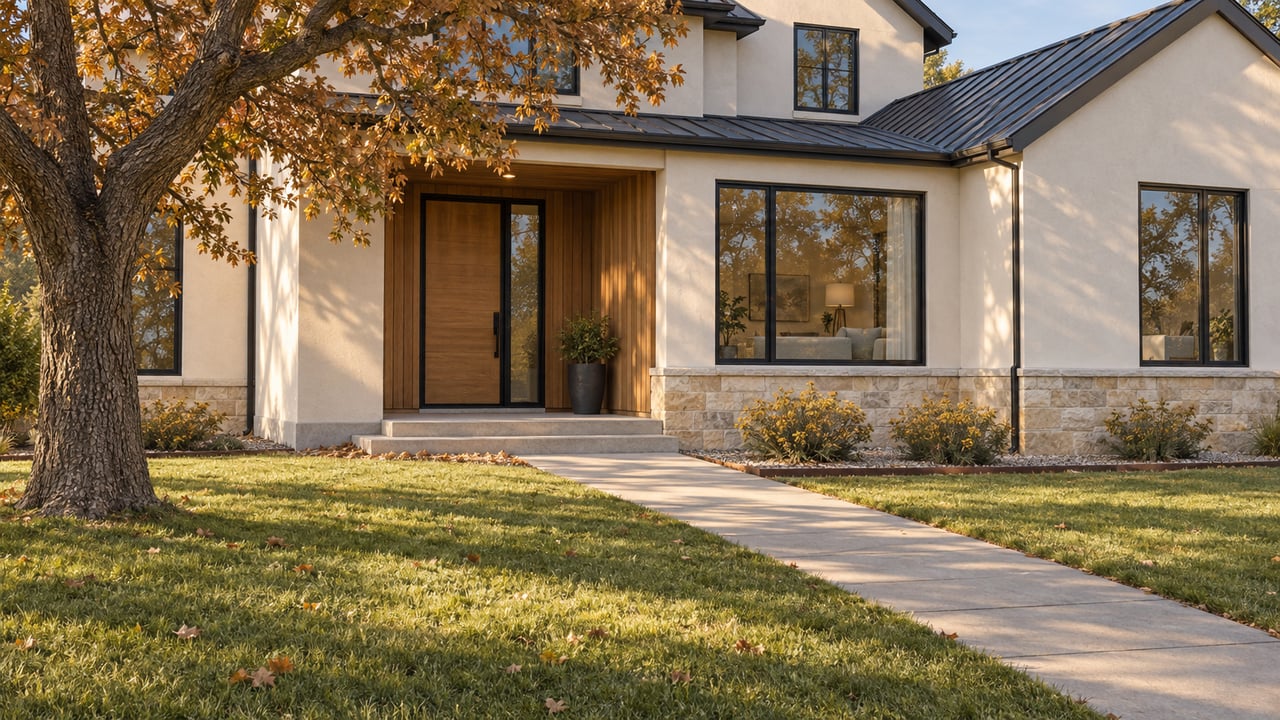
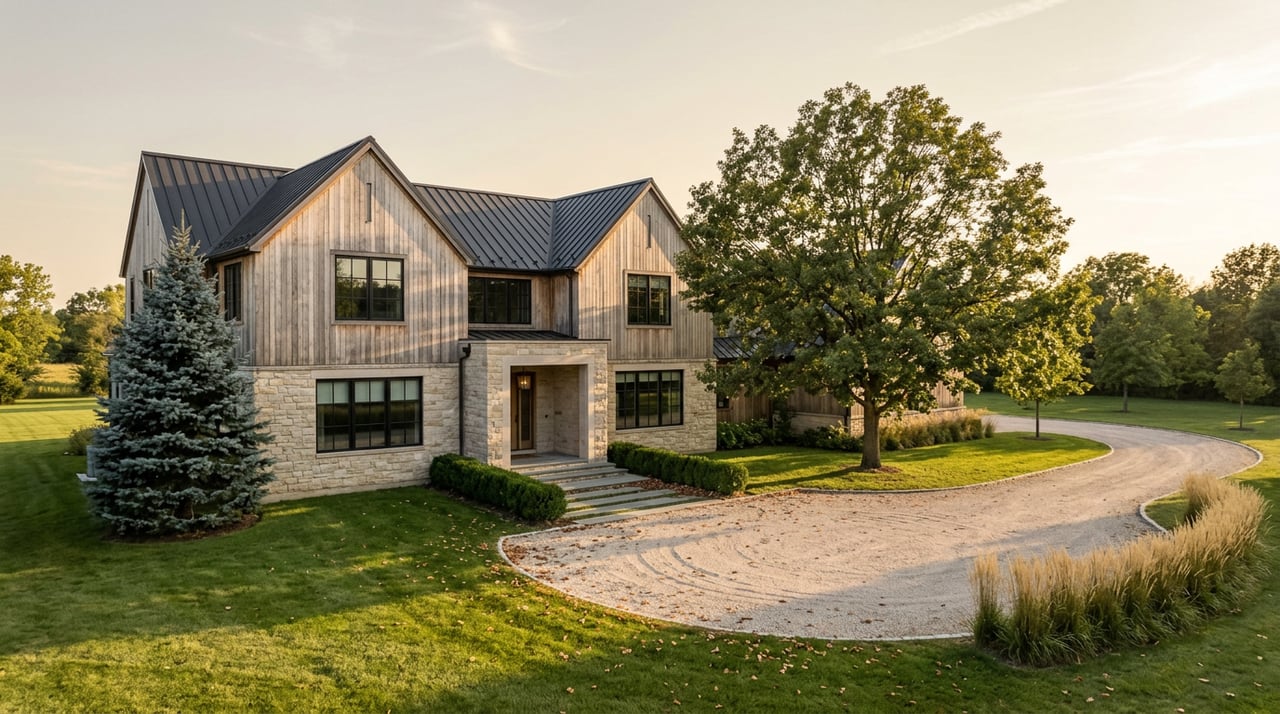
Cherry Hills Village is not a one-size-fits-all luxury market. The city describes itself as a predominantly residential community with a semi-rural, pastoral, and open character, and that setting shapes how buyers evaluate homes.
In practical terms, your lot, privacy, views, setbacks, and overall fit with the street can carry real weight in pricing. A home’s value story often starts with the site itself, not just the finishes inside.
Public market data from spring 2026 also show a market that is strong but still price sensitive. Redfin reported a March 2026 median sale price of $4.999 million, 56 days on market, and a 97.9% sale-to-list ratio, while Realtor.com reported a median listing price of $4,222,500, 41 days on market, and homes selling about 5.6% below asking on average.
Those numbers point to an important takeaway for sellers: Cherry Hills Village supports premium pricing, but not careless pricing. Buyers are active, inventory is limited, and negotiation still matters.
Start with micro-neighborhood comps
One of the biggest pricing mistakes in Cherry Hills Village is relying too heavily on broad citywide averages. Inventory is split across small pockets like Old Cherry Hills, Cherry Hills Farm, Cherry Hills North, The Buell Mansion, and other sub-areas, with only a handful of listings in each at any given time.
That means the best comparable sale is often the most recent closed sale in the same micro-neighborhood, with a similar lot size, home style, age, and level of updates. A citywide median can give helpful context, but it should not be the backbone of your list price.
This matters because buyers in the Village are not only comparing square footage. They are also comparing setting, privacy, architecture, street appeal, and how well a home fits the character of its immediate area.
Lot size and zoning shape value
In Cherry Hills Village, land is part of the luxury equation in a very specific way. The city’s land-use framework includes large-lot categories such as 2.5 acres or more in R-1, 1.25 acres in R-2, 1 acre in R-3, one-half acre in R-4, and 16,000 square feet in R-5.
That range creates very different pricing bands across the Village. A home on a large estate parcel should not be valued the same way as a home on a smaller lot, even if the interior square footage appears competitive.
The city’s planning documents also make clear that building scale, setbacks, lot frontage, and bulk standards help preserve the Village’s open character. For sellers, that means lot utility and site experience are part of the price conversation, not minor details to mention later.
Site features buyers notice
When buyers compare luxury homes in Cherry Hills Village, they often weigh features like:
- Privacy from neighboring homes
- Open space feel
- Usable outdoor areas
- Views and natural light
- Placement of the home on the lot
- Overall massing and visual impact
A property that feels calm, open, and well-positioned may command a stronger response than a larger home on paper that feels more constrained.
Square footage is not enough
Luxury sellers often ask about price per square foot, and it can be a useful reference point. In Cherry Hills Village, though, it is usually too blunt to stand alone.
Recent public sales show a very wide spread. Reported sold homes included 1075 E Oxford Lane at $4.625 million for 8,938 square feet, 45 Charlou Circle at $5.075 million for 11,419 square feet, 10 Sterling Avenue at $4.3701 million for 6,652 square feet, 9 Cherry Vale Drive at $6.495 million for 7,632 square feet, 6445 Greenbriar Drive at $7.495 million for 10,539 square feet, and 5761 E Nassau Place at $1.625 million for 5,404 square feet.
Those results show why a simple formula can lead you off course. Two homes can have similar square footage and very different value because of lot size, architecture, condition, and location within the Village.
Traditional homes and estates need different comp sets
Not every luxury property in Cherry Hills Village belongs in the same pricing discussion. The city’s bulk-plane study shows a mix of property types, from modestly scaled one-story ranch homes in some R-5 settings to much larger new-construction homes on expansive lots in R-1 areas.
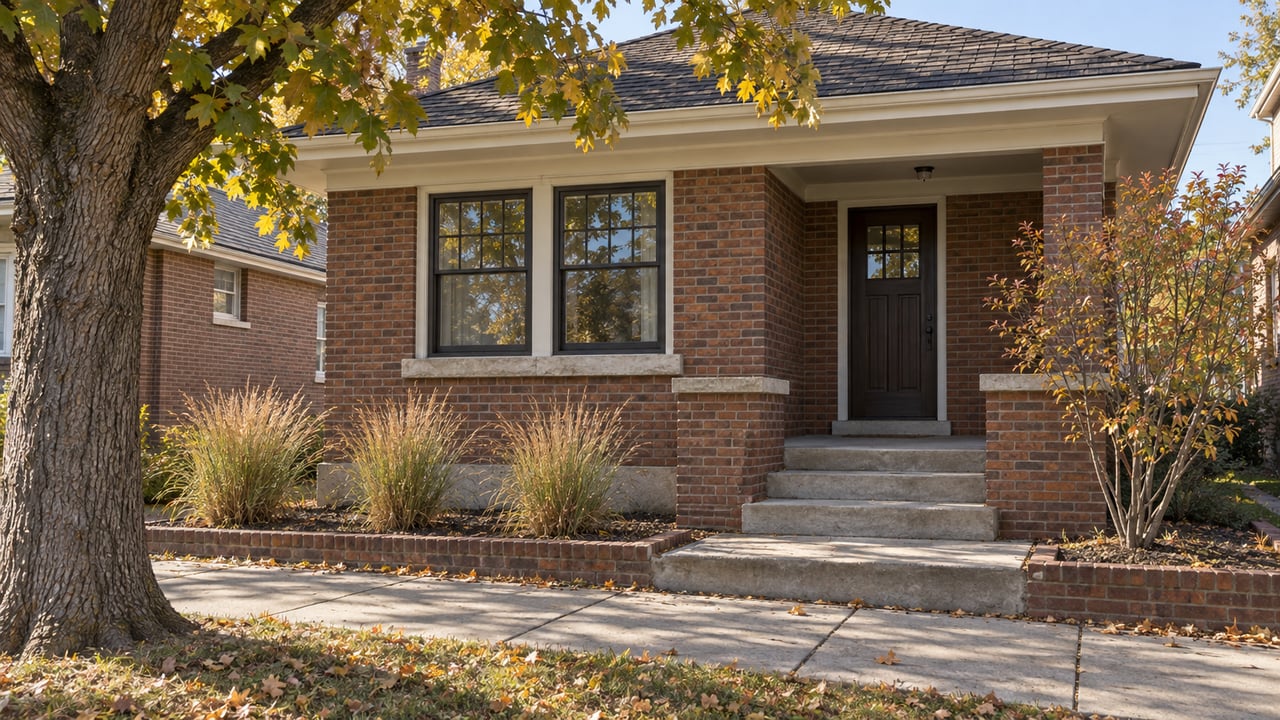
If your home is a more traditional property, the strongest comp set is usually nearby and highly specific. You want recent sales that match your story count, lot type, age, style, and renovation level as closely as possible.
If your home is a true estate, the comp search may need to broaden. In that case, older sales, nearby competing luxury neighborhoods, or homes with similar site characteristics may offer better guidance than trying to force comparisons to smaller or very different properties.
Signs your home may need a broader pricing lens
Your home may need a wider comp search if it has:
- Unusually large acreage for the area
- Distinctive architecture
- A rare combination of privacy and scale
- Unique site orientation or views
- Custom amenities not commonly found in nearby sales
When the adjustments between your property and local recent sales become too large, that is often a clue that you need a different comp conversation.
Condition and updates can change the price band
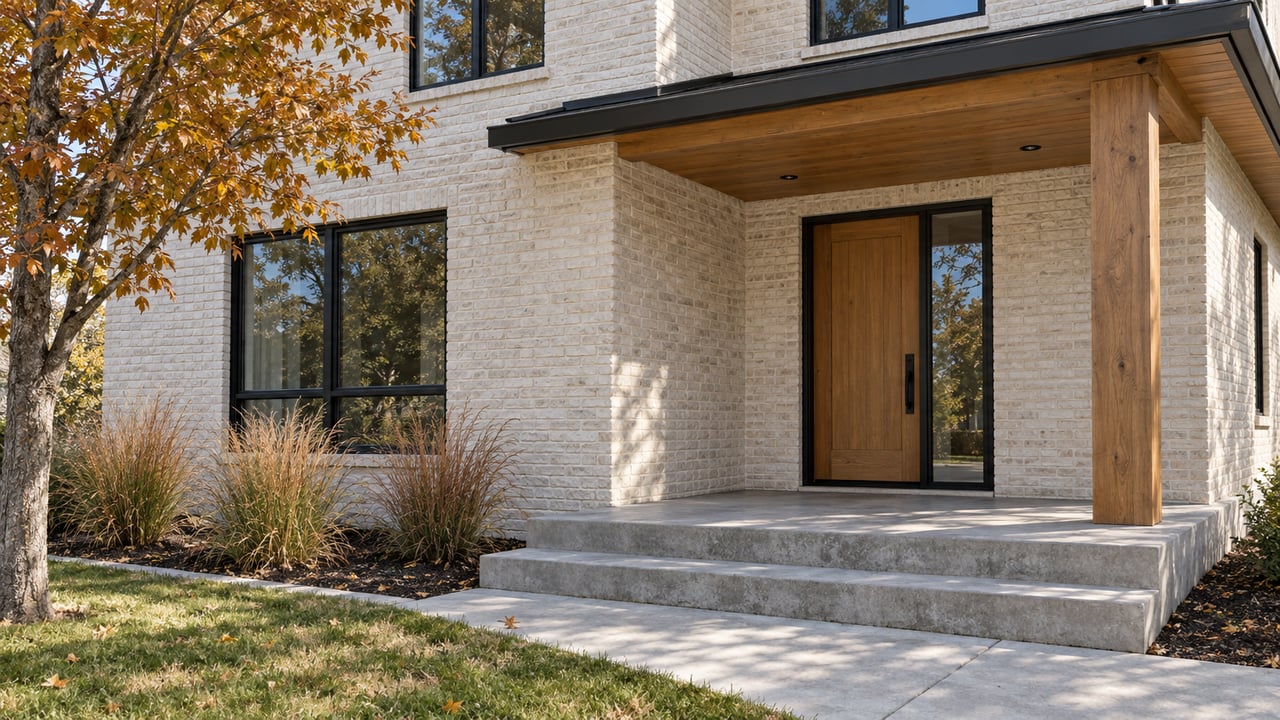
In a luxury market, buyers still separate move-in-ready homes from homes that need work. That distinction matters in Cherry Hills Village, where older homes, remodeled homes, and newer construction often compete side by side.
A recently updated home may earn a stronger list price if the improvements align with neighborhood expectations in design, quality, size, and overall condition. By contrast, deferred maintenance can pull a home into a different buyer pool and a different pricing band.
This is one reason sellers benefit from honest pre-listing analysis. Before setting a number, you should know whether your home will be viewed as turnkey, partially updated, or a property that needs improvements.
Lifestyle features can support premium pricing
Cherry Hills Village buyers are not just buying square footage. They are also reacting to how a home feels and how it supports daily life.
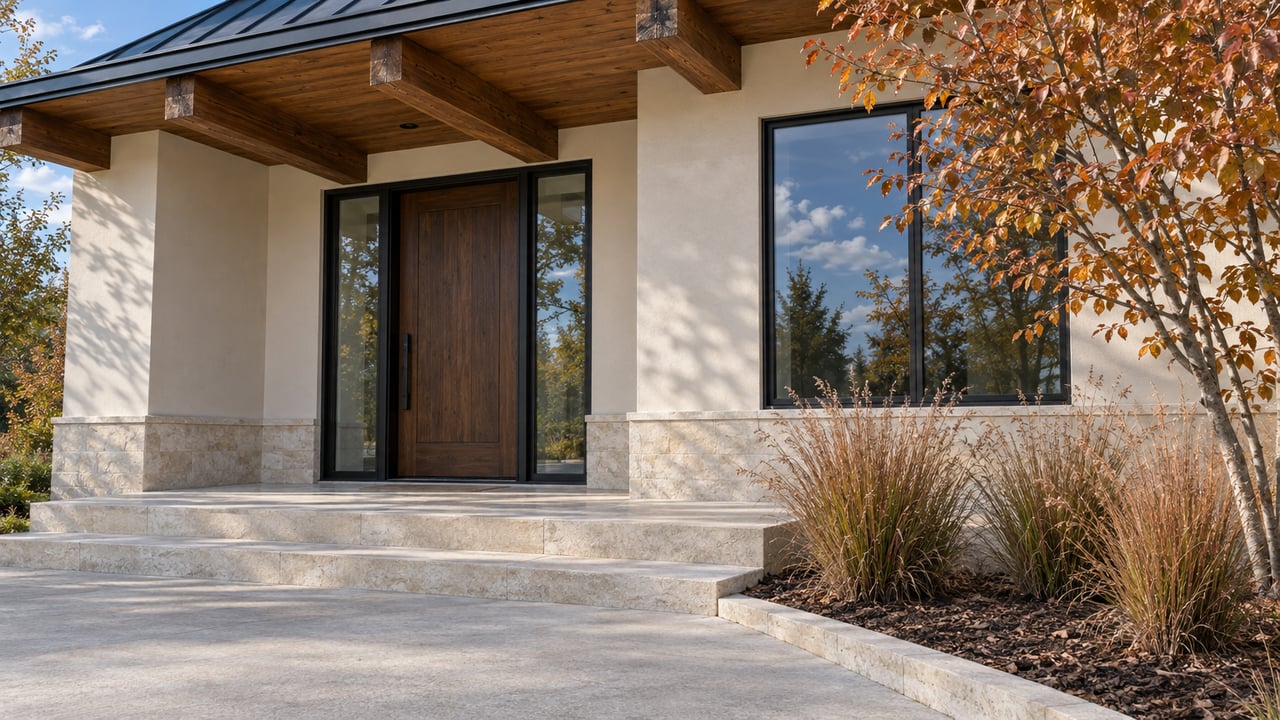
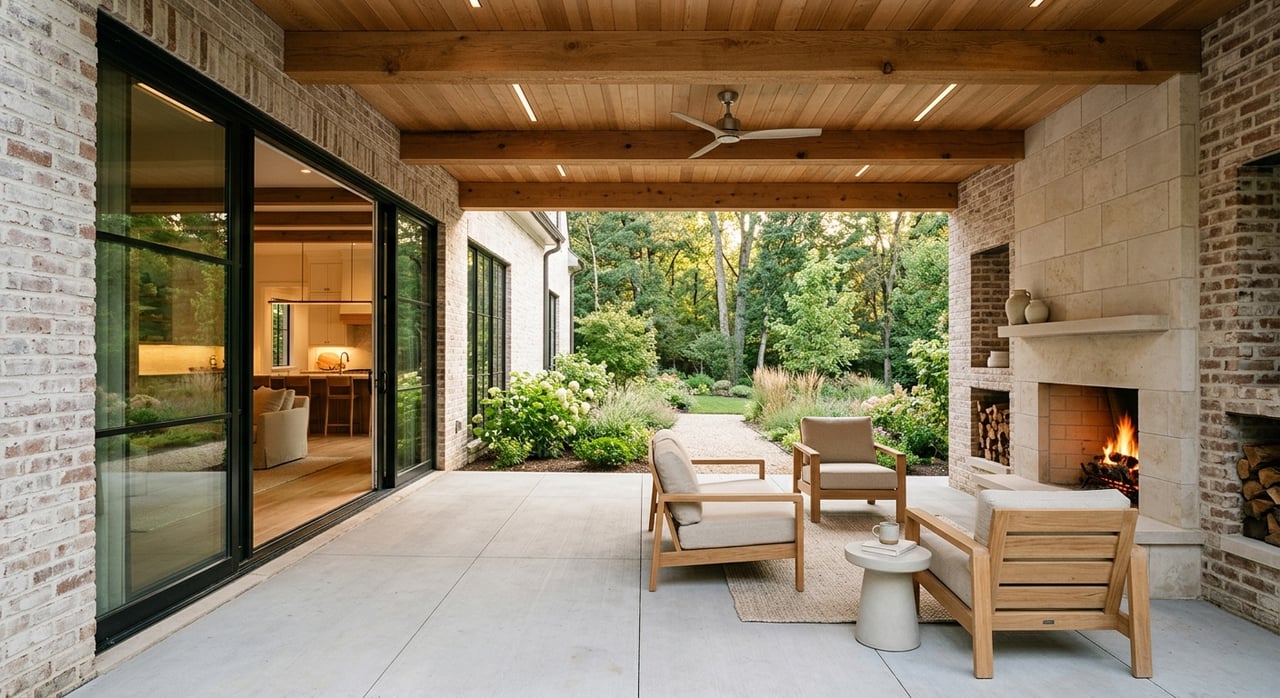
Spring 2026 trend data from Redfin associated stronger sale-to-list outcomes in this market with features such as floor-to-ceiling windows, cul-de-sac settings, large living rooms, walk-out basements, theater rooms, full gyms, skylights, and steam rooms. These features do not guarantee a certain price, but they can strengthen your position when the rest of the property fits the neighborhood.
The key is context. A luxury amenity adds the most value when it complements the home’s architecture, setting, and buyer expectations for that micro-market.
A smart pricing strategy for sellers
The most effective pricing strategy in Cherry Hills Village is usually grounded, local, and highly specific. Rather than chasing the highest number you can justify on paper, you want a price that reflects the best recent evidence and the way buyers will compare your home in real time.
A sound approach often looks like this:
- Review the most recent closed sales in your micro-neighborhood.
- Narrow the comp set by lot size, architectural type, story count, and renovation level.
- Adjust for site utility, privacy, and overall setting.
- Separate emotional value from market-supported value.
- Pressure-test the number against current competition and average negotiation patterns.
Because public data show average sale-to-list ratios below 100% and marketing times around 41 to 56 days, overpricing can work against you. A home that starts too high may sit longer, reduce momentum, and invite larger concessions later.
What this means for your sale
If you are preparing to sell in Cherry Hills Village, the best pricing conversation is not just about what your home is worth in theory. It is about how buyers will interpret your home relative to the small set of realistic alternatives available right now.
That is especially true if you are selling a family estate, managing a trust or probate sale, or handling a major lifestyle transition. In those moments, clear pricing guidance can protect both timing and outcome.
At WPG, the goal is to build a list price around the home’s real market position, its site-specific strengths, and the buyer expectations that shape this unique Village market. If you want a thoughtful, neighborhood-driven pricing strategy for your Cherry Hills Village home, connect with Wadsworth Property Group.
FAQs
How should you price a luxury home in Cherry Hills Village?
- Start with recent sold homes in the same micro-neighborhood, then adjust for lot size, condition, architecture, privacy, and site characteristics rather than relying only on citywide averages or price per square foot.
Why do Cherry Hills Village home values vary so much?
- Values can vary widely because the market includes different lot sizes, zoning categories, home styles, renovation levels, and estate settings, all of which affect how buyers compare properties.
Does price per square foot work for Cherry Hills Village luxury homes?
- It can help as a reference, but it is usually not enough on its own because two homes with similar square footage can have very different value based on lot utility, setting, and condition.
Do updated homes sell differently than homes needing work in Cherry Hills Village?
- Yes. Recently updated, move-in-ready homes are typically viewed differently from homes with deferred maintenance, which can place them in separate pricing bands and attract different buyer expectations.
Why are micro-neighborhood comps important in Cherry Hills Village?
- Inventory is spread across small sub-areas, so recent sales from the same pocket are often more persuasive than broad citywide data when setting a realistic list price.
When should a Cherry Hills Village estate home use broader comps?
- Broader comps may be needed when a home is unusually large, sits on substantial acreage, has rare design features, or does not have enough truly similar recent sales nearby.