What does “luxury” really mean in Observatory and University Parks, and how is the market behaving in 2026? If you are weighing a move or planning a sale, you want clear, local insight you can trust. In this guide, you will learn what defines luxury in this micro-market, how pricing and inventory are shifting, the features that drive value, and smart strategies for buyers and sellers this year. Let’s dive in.
What counts as luxury here
In metro Denver, the luxury threshold is often considered $1,000,000 and above. That aligns with what you see in Observatory and University Parks, where renovated homes and newer builds often start in the low seven figures and rise into the multi-million range for larger lots or custom finishes. Turnkey condition and thoughtful design lift prices at every level. For context on the broader high-end segment, review the Denver Metro Association of Realtors’ February 2026 commentary on the $1M-plus tier and overall market balance. You can read that in the DMAR February 2026 market trends report.
Market snapshot for 2026
The metro shifted toward a more balanced environment in early 2026. Inventory increased compared with 2025, which gives buyers more options. Even so, well-priced, move-in-ready homes still draw strong attention and can sell quickly. Homes that need updates tend to spend more time on the market and may see price reductions, a pattern DMAR highlights in its February 2026 market overview.
Neighborhood medians can look different depending on the data source and the boundary used for “Observatory Park” versus the wider University Park. Month-to-month samples are often small, which makes a single median less reliable. Use a recent 6 to 12 months of comparable sales on the exact blocks you care about to understand value on your street. If you are comparing across the neighborhood, be mindful that lot size, condition, and location near the park can shift pricing more than an overall median might suggest.
Housing stock and lifestyle anchors
Observatory Park sits within University Park, centered on the Chamberlin Observatory and tree-lined streets that many residents walk daily. The park is a focal point for neighborhood life and a key reason buyers seek out the area. Explore more about these spaces in the University Park Community Council overview of parks.
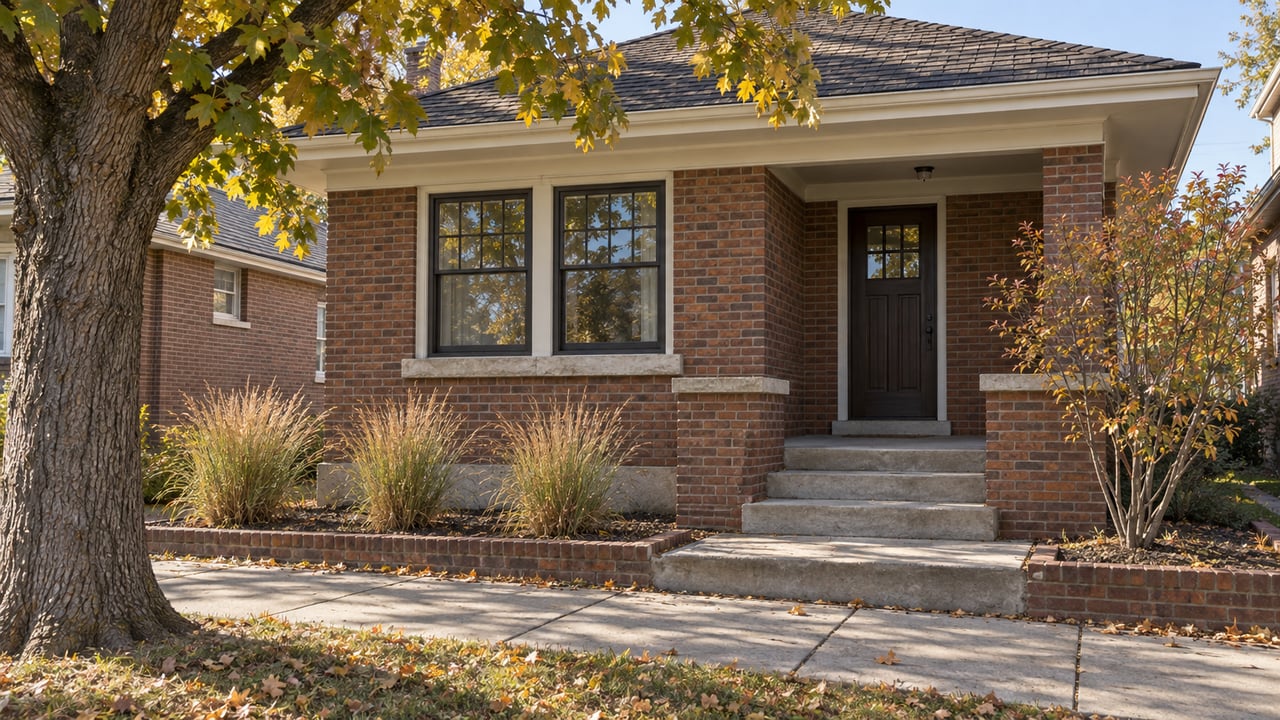
Architecturally, you will see a mix of eras: original late-19th and early-20th century cottages and bungalows, classic Tudors, midcentury ranches, and a steady stream of infill and new construction since the 2000s. Many older homes have been remodeled, and new builds often feature open plans, modern kitchens, and finished lower levels. The neighborhood’s historic fabric is well documented in the University Park historic inventory. For a broader look at planning context and block-level nuances, you can also reference the City of Denver’s University Park neighborhood plan.
Lots and garages
Lot size varies. Standard parcels are common, with some deeper or wider lots that lift value. Garages can be a key differentiator because many original homes lack an attached garage. Newer or fully renovated properties that add a functional, well-integrated garage often command a premium.
Condition and “program”
The program of a home matters. Buyers prize finished lower levels, modern mechanicals, and a main-floor layout that supports daily living and entertaining. When two homes share similar square footage, the one with a better layout and recent systems typically sells faster and closer to ask.
Historic character
Certain pockets carry historic context that adds charm and, in some cases, design expectations if you plan to renovate. If preservation considerations are on your radar, start with the city’s historic inventory for University Park and consult the neighborhood plan for guidance early in your planning.
Key pricing drivers in Observatory and University Parks
- Proximity to parks and greenways. Observatory Park itself and nearby paths support strong demand. Homes closer to green space often achieve stronger pricing, as many buyers value daily access to the park. See the community council’s park overview for context.
- Micro-location near the University of Denver. The campus and its amenities contribute to neighborhood identity and activity, which helps sustain demand.
- Lot size, orientation, and landscaping. Larger or better-oriented lots can command a meaningful premium, while standard parcels still achieve high dollars per square foot when paired with quality construction.
- Turnkey condition and layout. Finished lower levels, updated systems, and thoughtful kitchen and bath design have an outsized impact on offers and final price.
- Historic and design considerations. Where historic context applies, it can enhance appeal. It can also influence renovation timelines and choices.
On a metro-wide basis, DMAR’s February 2026 reporting noted price per square foot around $370 for the $1M-plus tier. Treat this as directional because neighborhood-level figures move with small samples and product mix. Review the DMAR market trends report as you calibrate expectations.
How it compares to nearby neighborhoods
Observatory and University Parks offer a broad spectrum of product, which often translates to better value per dollar than the priciest nearby enclaves. Blocks in Cherry Creek North, Hilltop, and parts of Washington Park can trade at higher prices, especially on larger lots or with ultra-luxury finishes. If you want central access, tree-lined streets, and a park-centered lifestyle, Observatory and University Parks can be compelling alternatives. If you need estate-scale lots or ultra-high-end retail adjacency, those other neighborhoods may still be your target.
Buyer playbook for 2026
You benefit from more inventory today, but the best turnkey homes still move quickly. Use this checklist to position your offer well.
- Get pre-approved with a reputable local lender and know your numbers. Be ready to act when the right home appears.
- Walk the block and study recent, street-level comps. With wide price dispersion, block-by-block analysis is essential.
- Move fast on standout listings. If the home is turnkey and well priced, assume there will be early interest.
- Use inspections as a tool, especially on older homes. Budget for structural, roof, mechanical, and sewer scopes, and use findings to negotiate credits or adjustments when appropriate. For a useful framework, see this guidance on negotiating from offer to closing.
- Be thoughtful with appraisal and escalation language. In competitive cases, escalation clauses and appraisal-gap terms add risk if the appraisal comes in low. In a softer micro-segment, you can often retain a standard appraisal contingency.
- Explore concessions and timing. Depending on the seller’s goals, closing-cost credits, possession timing, or a rate buydown can bridge gaps. DMAR’s February 2026 commentary notes that financing terms are shaping many negotiations; review the DMAR trends report as you plan.
Seller game plan for top results
You will compete with both renovated homes and newer builds. The right preparation can lift your outcome.
- Focus on turnkey appeal. Address obvious repairs, refresh paint and lighting, and complete modest updates that deliver a clear before-and-after.
- Price to the current micro-segment. Use the most recent 6 to 12 months of neighborhood comps and consider active competition in your price band.
- Elevate presentation. Professional staging, high-end photography, and clear listing storytelling help buyers see value and act with confidence.
- Offer clarity on systems and maintenance. A clean pre-listing inspection report or documented service history can improve buyer confidence and protect your net result.
What luxury looks like on the ground
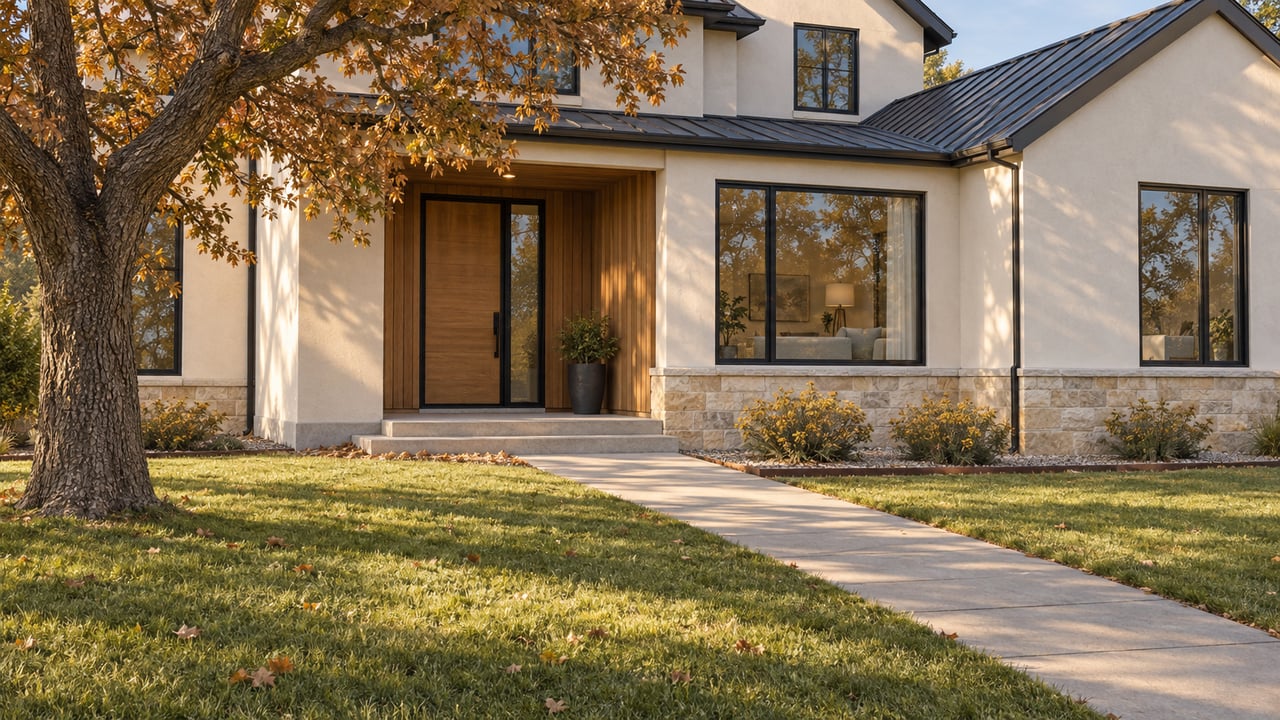
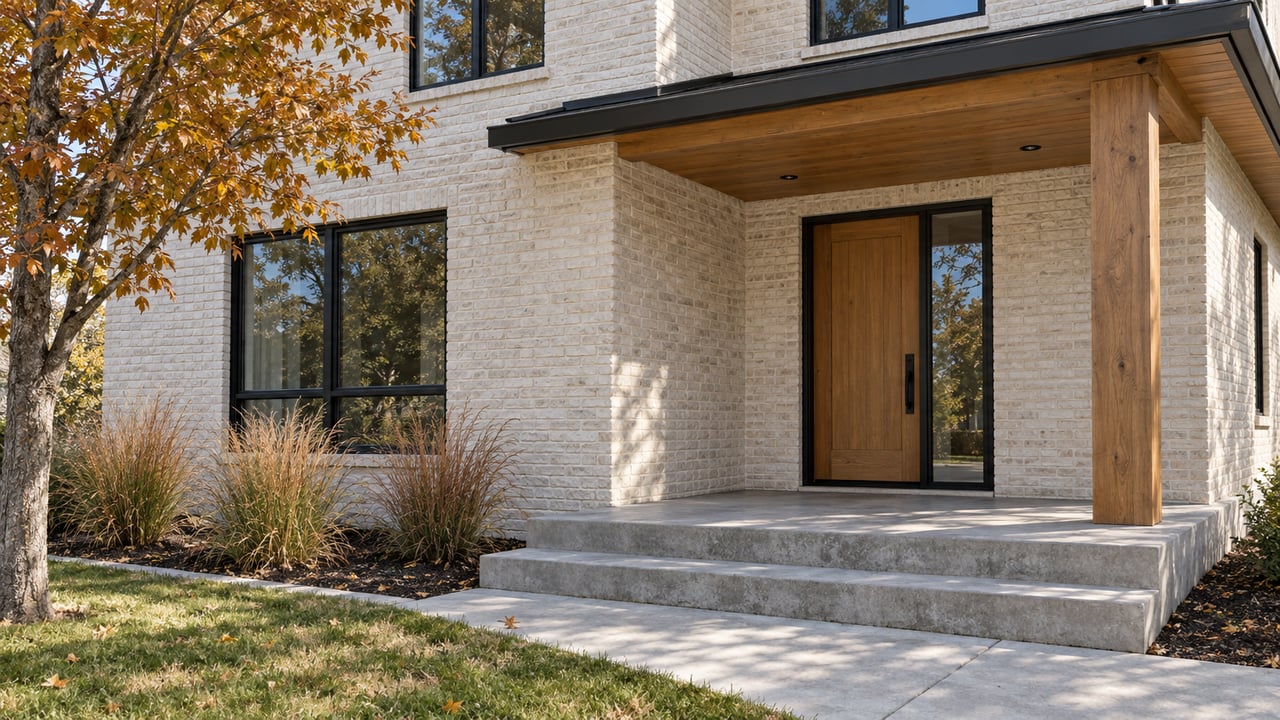
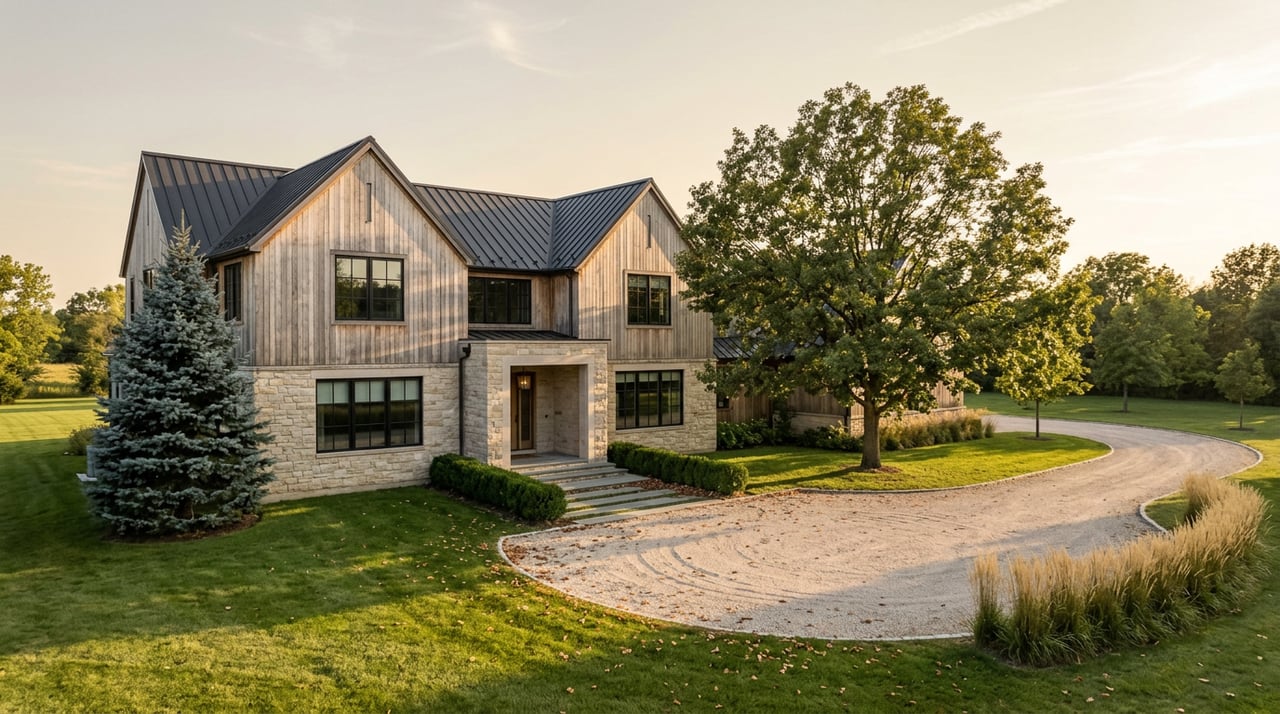
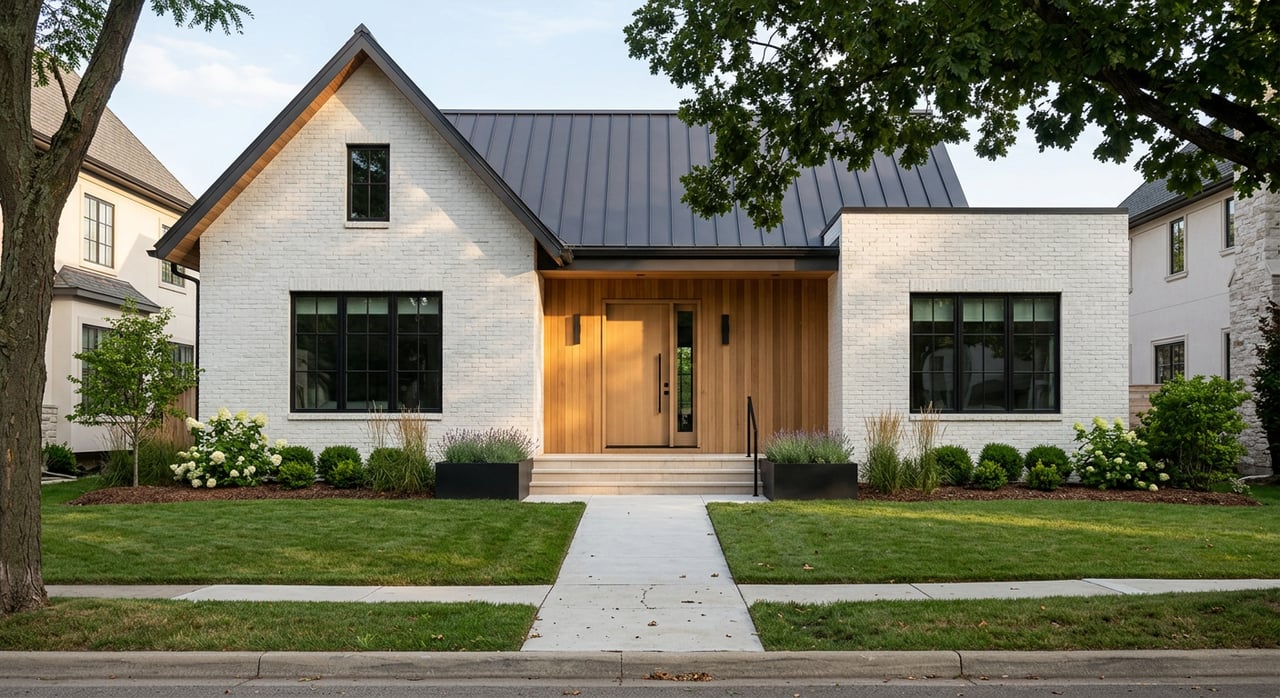
- Newer-construction homes on standard lots with attached garages, designer kitchens, and finished lower levels often set the pace for the low-to-mid seven figures.
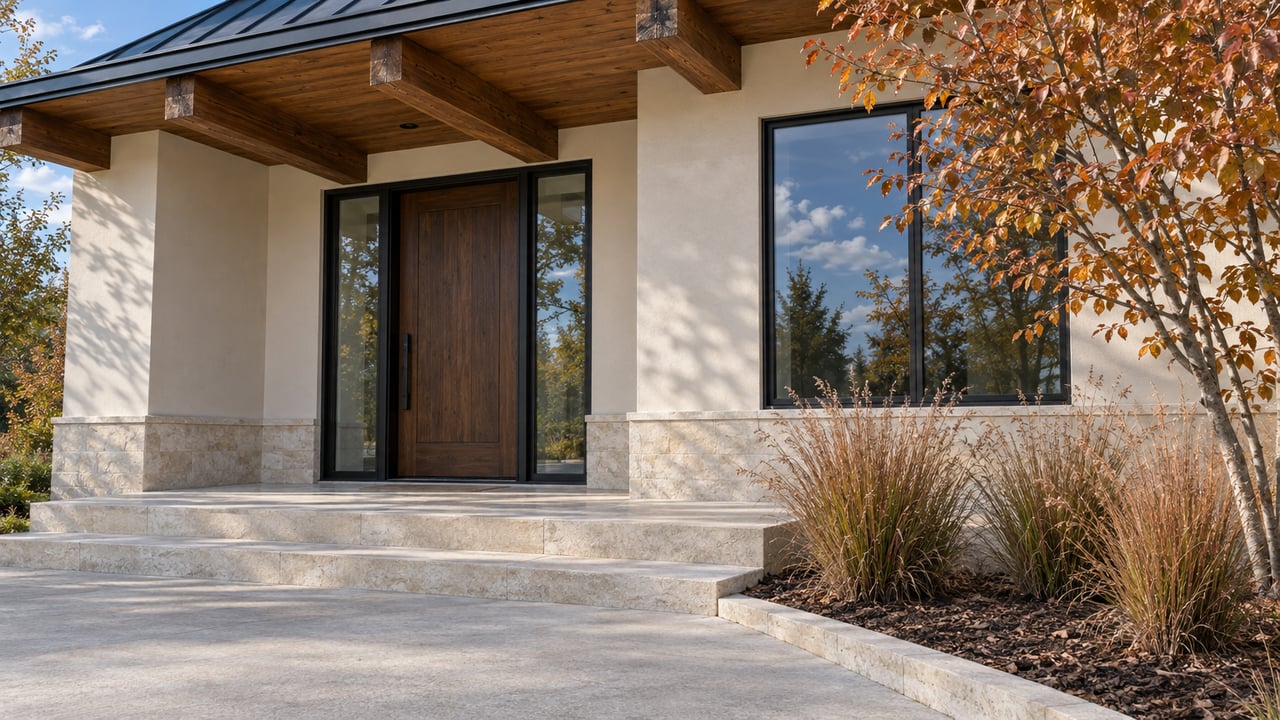
- Custom or expanded homes on deeper or wider lots can reach the multi-million tier, especially with curated outdoor spaces and high-end finishes.
- Well-updated bungalows and ranches remain attractive options for buyers seeking character and a central location without committing to the largest footprints.
Your next step
Every block in Observatory and University Parks has its own story. If you want a tailored plan to buy or sell with confidence, connect with Nicole Wadsworth for a precise, street-level strategy, including vetted comps, preparation guidance, and a negotiation plan that fits today’s market.
FAQs
What is considered a luxury home in Observatory and University Parks?
- In the Denver area, listings at or above $1,000,000 are commonly treated as luxury. In this neighborhood, renovated homes and new builds often start in the low seven figures and rise into the multi-million range, consistent with the DMAR February 2026 report.
How fast do luxury homes sell in 2026 in this area?
- It varies by condition and pricing. Move-in-ready homes that are priced competitively can attract fast offers, while homes needing updates tend to sit longer. This aligns with patterns in DMAR’s February 2026 market update.
Are most homes historic or newer construction in Observatory Park?
- It is a mix. You will find historic cottages, bungalows, and Tudors alongside midcentury ranches and steady waves of infill and new construction since the 2000s, as documented in the city’s University Park historic inventory.
Which features command the biggest premium locally?
- Proximity to Observatory Park, larger or better-oriented lots, an attached garage, modern systems, and a functional layout with a finished lower level are consistent value drivers. Historic charm and thoughtful outdoor spaces also matter.
How does proximity to the park and the University of Denver affect value?
- Access to green space and neighborhood anchors is a major lifestyle draw. Homes near Observatory Park and the university area can see stronger demand, as highlighted by the University Park Community Council’s park overview.
What should I expect with appraisal gaps and concessions right now?
- In competitive situations, some buyers still use escalation and appraisal-gap terms, which increase risk if the appraisal is low. Where inventory is less tight, you can often keep standard appraisal protections and negotiate credits, timing, or rate buydowns. See DMAR’s February 2026 trends for context on financing-driven negotiations.