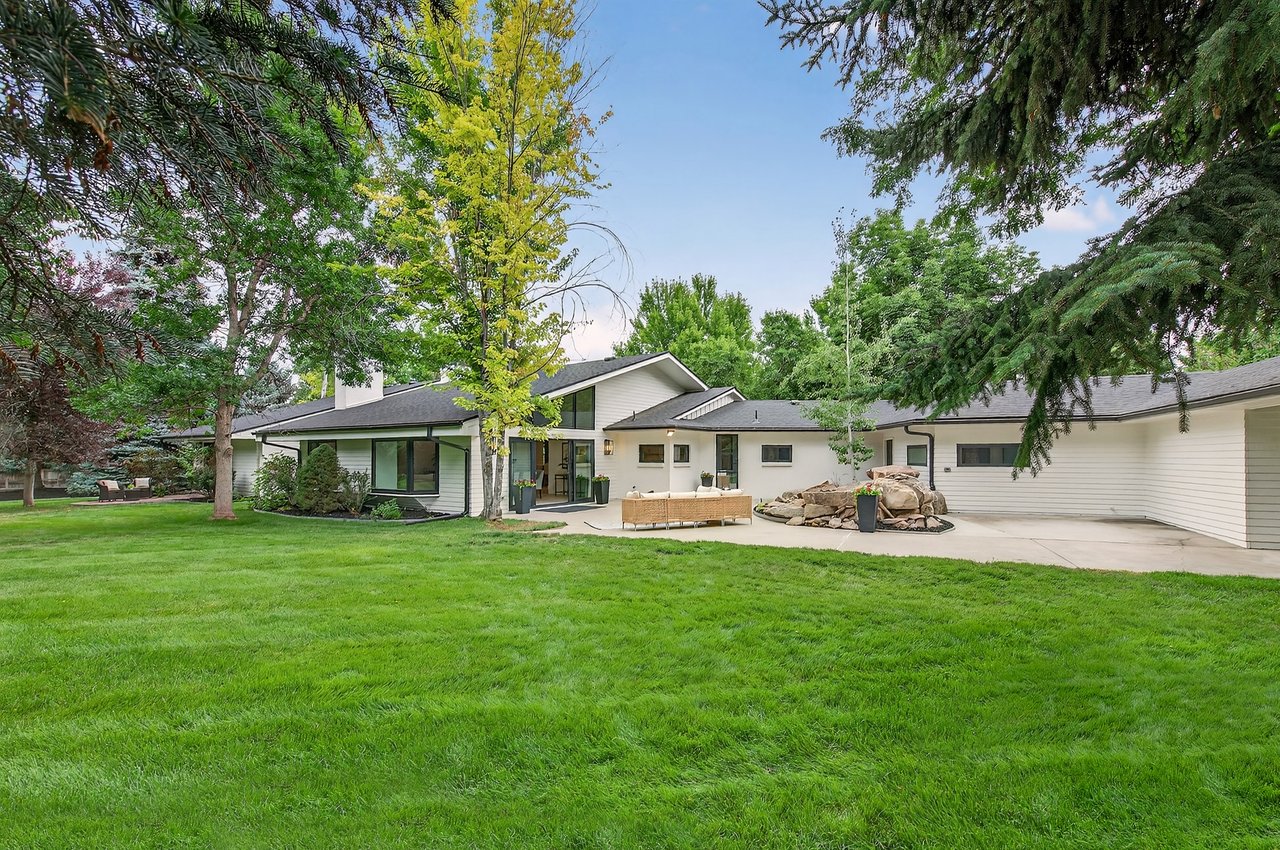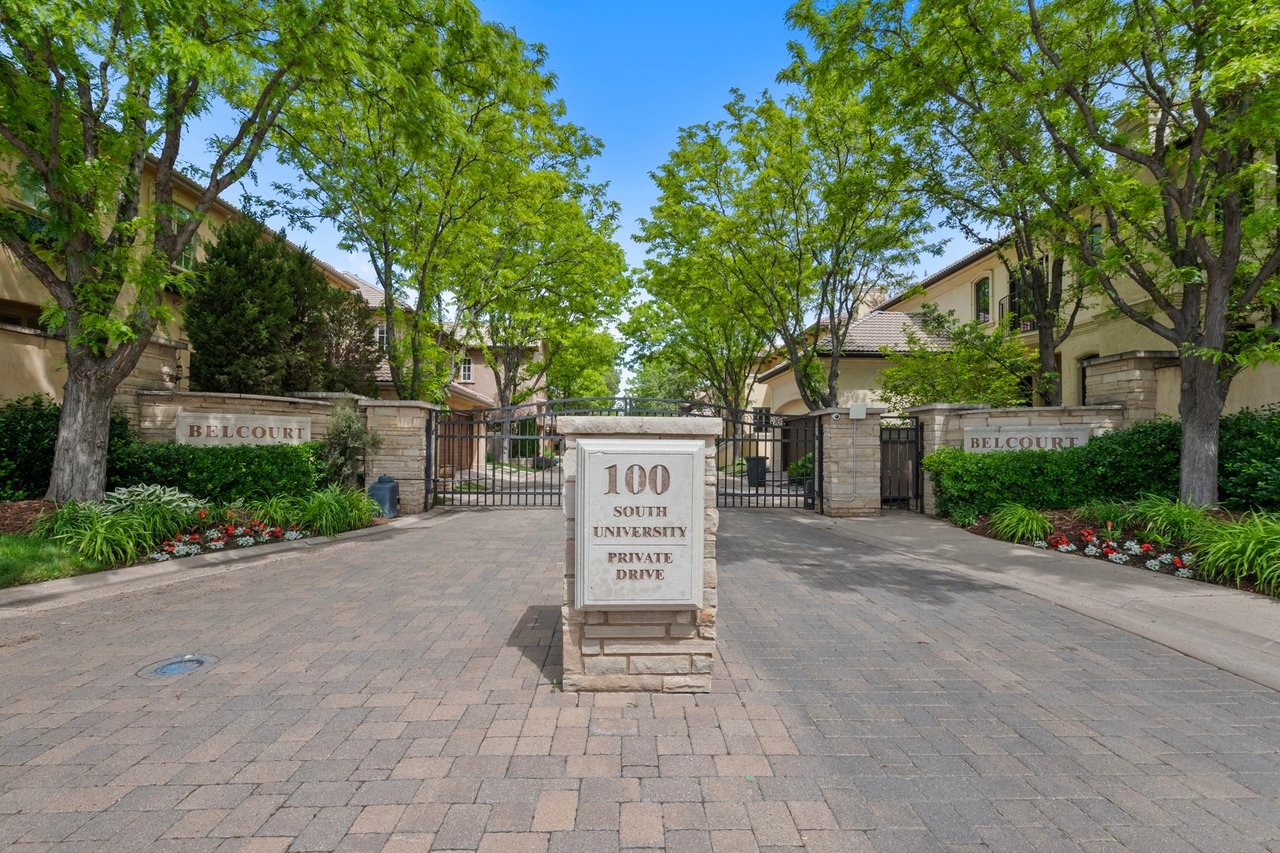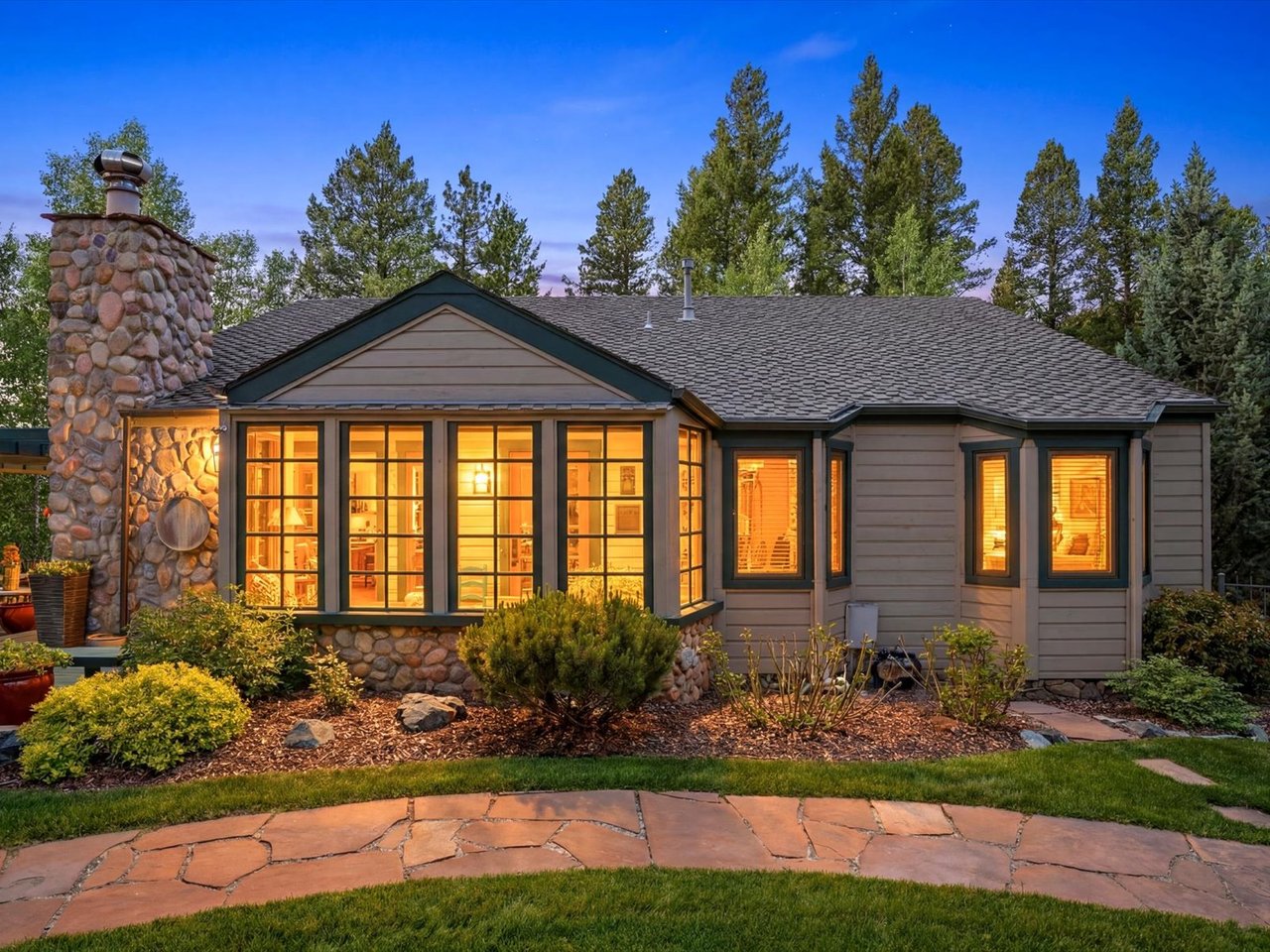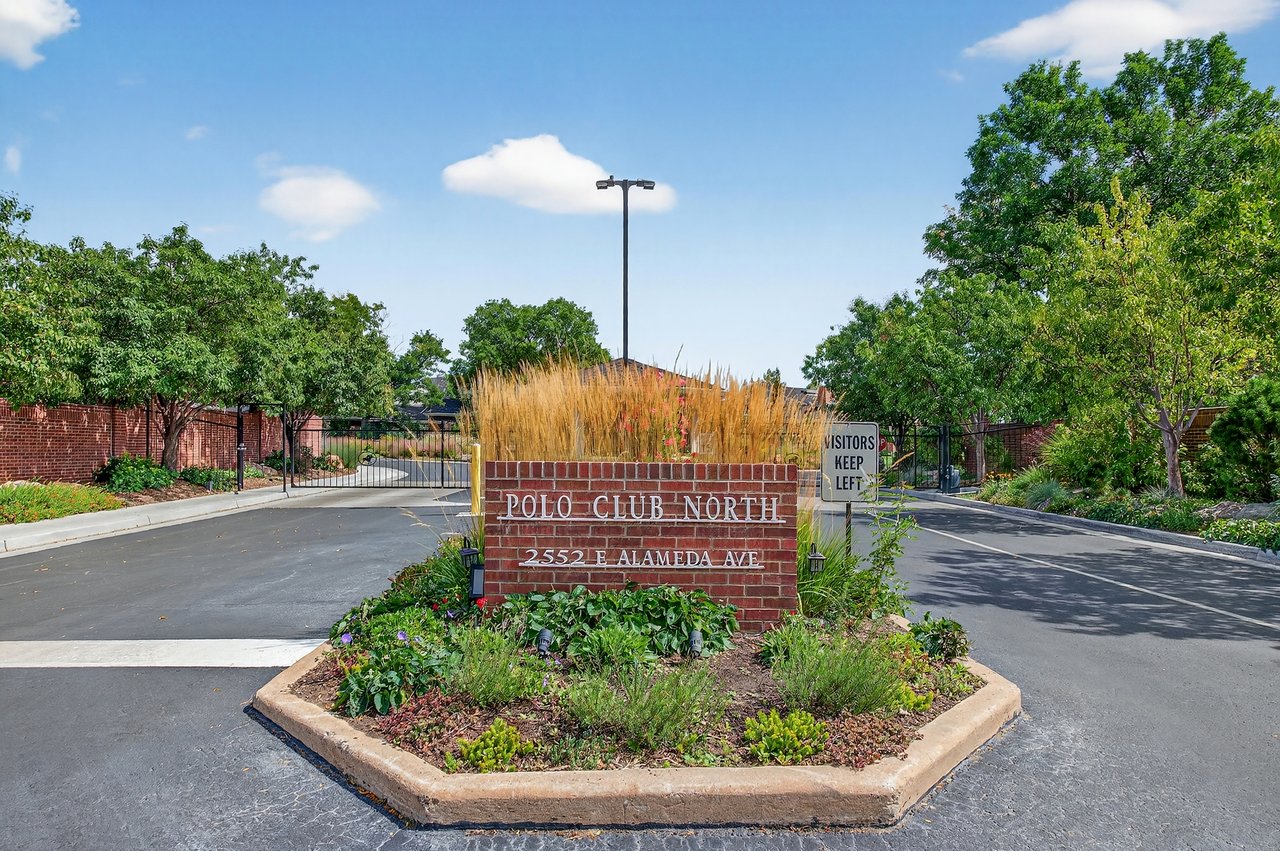
Cherry Hills Village is one of the south metro area’s most distinctive residential communities: a quiet, low-density city just south of Denver, known for its established homes, generous lots, and a strongly residential character. People come here for privacy, for a neighborhood setting that still sits close to the city, and for an outdoor life that includes trails, parks, and equestrian paths. I have worked in Cherry Hills Village for many years, and I love helping buyers and sellers understand not only the houses, but the feel of each street. If you are considering a move here, this guide is a good place to begin, and I am always happy to continue the conversation in person.
The City of Cherry Hills Village, Colorado is in Arapahoe County just south of Denver. Cherry Hills Village was incorporated as a town in June of 1945 and became a home rule city in 1966. Cherry Hills Village is a predominantly residential city of 6.5 square miles with a population of about 6,000.
607 people live in Cherry Hills Village, where the median age is 58 and the average individual income is $41,496. Data provided by the U.S. Census Bureau.
Total Population
Median Age
Population Density Population Density This is the number of people per square mile in a neighborhood.
Average individual Income
There's plenty to do around Cherry Hills Village, including shopping, dining, nightlife, parks, and more. Data provided by Walk Score and Yelp.
Explore popular things to do in the area, including Saucers Pizza.
Cherry Hills Village has 286 households, with an average household size of 2. Data provided by the U.S. Census Bureau. Here’s what the people living in Cherry Hills Village do for work — and how long it takes them to get there. Data provided by the U.S. Census Bureau. 607 people call Cherry Hills Village home. The population density is 10,619 and the largest age group is Data provided by the U.S. Census Bureau.
Total Population
Population Density Population Density This is the number of people per square mile in a neighborhood.
Median Age
Men vs Women
Population by Age Group
0-9 Years
10-17 Years
18-24 Years
25-64 Years
65-74 Years
75+ Years
Education Level
Total Households
Average Household Size
Average individual Income
Households with Children
With Children:
Without Children:
Marital Status
Blue vs White Collar Workers
Blue Collar:
White Collar: