Wondering why two similar homes in Golden can sell for very different prices? In Golden, a three-minute walk to Clear Creek, a true mountain view, or a garage on a narrow hillside street can shift value more than square footage alone. If you are weighing Golden against central Denver or preparing to sell in town, you want to know exactly which levers matter. In this guide you will learn the location, features, and risk factors that tend to move value in Golden, plus practical ways to quantify premiums. Let’s dive in.
Golden’s value story
Golden sits at the edge of the Front Range foothills west of Denver, roughly 12 to 20 miles from central Denver depending on your route. The setting blends a small-city downtown, historic architecture, and immediate access to the foothills. That mix draws buyers who want outdoor lifestyle with a practical commute.
Local demand anchors support steady interest. The Colorado School of Mines, the Coors brewing complex, and a compact downtown with restaurants, shops, and cultural sites keep activity strong. Clear Creek, Lookout Mountain, and a broad trail network add everyday recreation many buyers prize.
Typical buyers include people moving from central Denver who want more outdoor access, views, or larger lots while keeping commutability. You also see local long-term owners who value neighborhood character and trail access, plus investors or second-home buyers focused on recreation and, where allowed, short-term rental potential.
Location factors that move price
Walkability to downtown and Clear Creek
Walkable access to downtown restaurants and the Clear Creek corridor often commands a premium. Being able to stroll to coffee, dinner, and the trail can boost demand. In many markets like Golden, immediate downtown or highly walkable spots can trade about 5 to 15 percent higher than similar homes farther out. If you are near the creek, verify floodplain status because it can affect insurance and financing.
Commute access
For many buyers, commute time to Denver jobs matters. Easy access to I-70, US-6, or key state highways can be a deciding factor. Buyers often accept a slightly longer but predictable commute in exchange for Golden’s lifestyle, but you should still compare drive times during typical rush hours.
Outdoor access and trails
Direct access to trailheads, bike routes, Clear Creek, or Lookout Mountain is a strong selling point. Premiums for immediate access are often small to moderate, generally in the single-digit to low double-digit percentages, depending on how central outdoor life is to the buyer. The closer and more visible the access, the higher the perceived value.
Views and topography
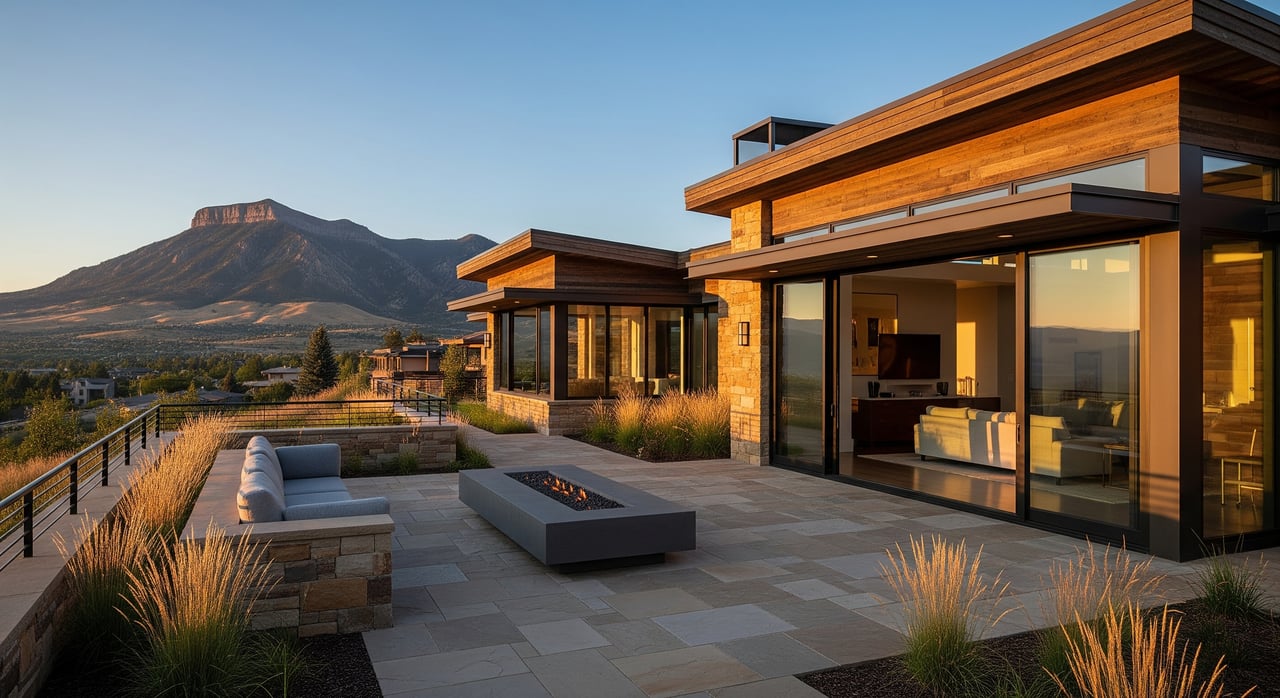
Unobstructed mountain or valley views typically add meaningful value. In many housing markets, view premiums range from a few percent up to about 20 percent, and Golden fits this pattern. The permanence of the view and the overall quality drive the premium. Sloped lots can deliver dramatic views, but buildability, usable yard space, and maintenance costs can offset some of the gain.
Lot size, privacy, and orientation
Larger lots and private settings are prized in Golden. Setbacks, tree cover, and backyard orientation away from busy streets help. South or west-facing yards can capture more sunlight and sunsets over the foothills, which many buyers prefer.
Architecture and historic character
Historic homes near downtown, including Victorian and Craftsman styles, attract buyers who value character and walkability. These properties can command a premium when well maintained. Be mindful that historic overlays can restrict exterior changes and may add maintenance requirements. Updated homes with open layouts and energy-efficient systems appeal broadly and often earn higher prices per square foot.
Age, condition, and upgrades
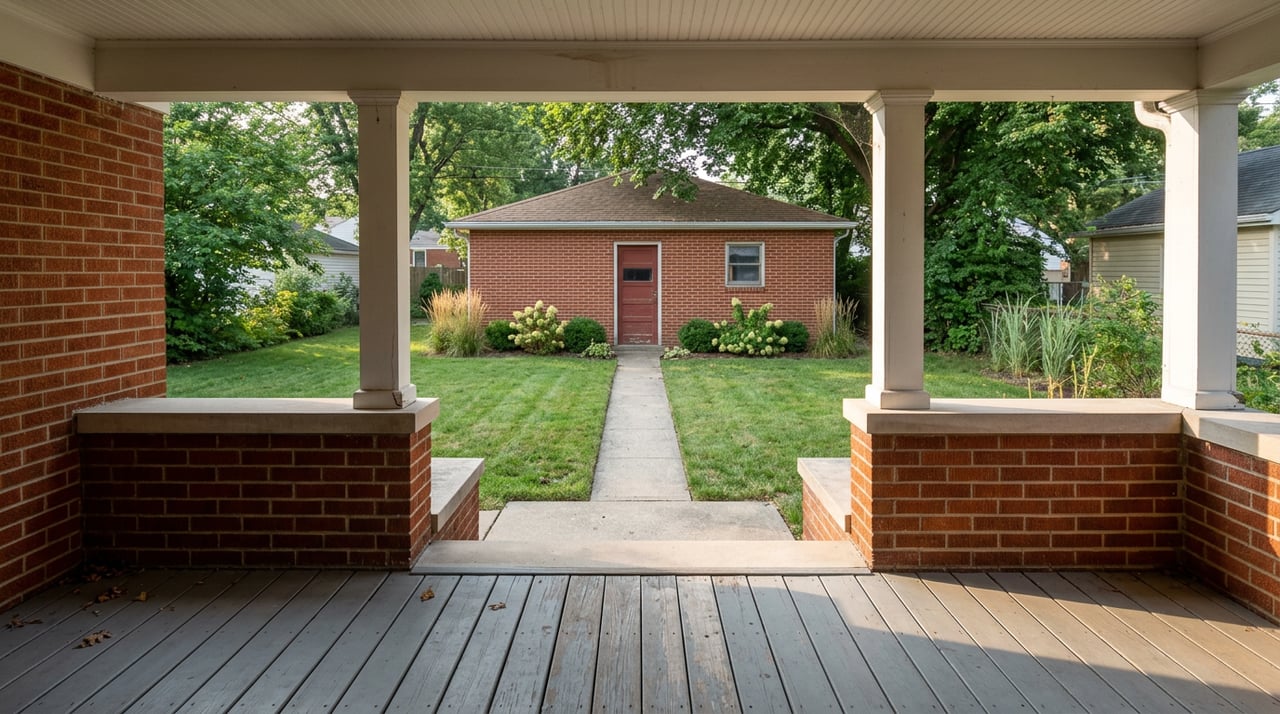
Thoughtful, market-appropriate renovations to kitchens, bathrooms, roofs, windows, and mechanical systems tend to deliver a favorable return. Outdoor living improvements that tie into Golden’s recreation lifestyle, like quality decks, patios, and native landscaping, can increase marketability and support stronger pricing.
Property type and density
Single-family homes with yards typically trade at a premium over condos and townhomes when privacy, outdoor space, and views are the priority. Condo and townhome buyers weigh monthly HOA fees against lower maintenance and enjoy the convenience of being close to downtown.
Parking and garages
Garage space and secure parking hold real value in foothill neighborhoods where streets can be narrow or steep and street parking limited. Enclosed parking is a clear, quantifiable feature for appraisers and buyers.
Micro-areas in Golden
Downtown and Clear Creek corridor
This area offers the highest walkability with historic buildings, restaurants, breweries, and direct river and trail access. Buyers pay for the walk-to-downtown lifestyle and historic charm. Tradeoffs may include smaller lots, more traffic or noise, and potential floodplain considerations in low-lying spots.
West Golden and Lookout Mountain corridor
Here you find proximity to Lookout Mountain, higher elevations, and big views. Vistas, prestige locations, and scenic drives raise appeal. Sloped terrain may limit buildability, and properties at the wildland edge can have higher exposure to weather and wildfire risk.
South and foothills neighborhoods
Areas like Golden Hills and pockets near Applewood often feature larger lots and a more suburban feel with feeder access to major roads. Larger lot sizes and privacy are key value drivers. These spots are usually less walkable to downtown, and commute times vary by exact location.
Newer subdivisions and infill pockets
Newer homes deliver energy code improvements, open floor plans, and lower-maintenance materials. Buyers seeking modern systems and layouts gravitate here. Tradeoffs can include smaller lots and less historic character compared to older neighborhoods.
Near major employers and institutions
Homes close to the Colorado School of Mines or the Coors campus may see steady demand from faculty, staff, and students. That can influence rental potential and resale liquidity, subject to local rules.
Rules, hazards, and carrying costs
Zoning and historic overlays
Historic district overlays and local design review help preserve neighborhood character, which supports values. They can also restrict exterior alterations and reduce flexibility for major changes. Always check city planning and zoning resources before you plan a renovation.
Floodplain and drainage
Properties along Clear Creek or tributaries may fall within FEMA flood zones or local special flood hazard areas. Flood zone status affects insurability, financing options, and buyer pool size. Confirm the latest maps and any required mitigation before you write an offer or list.
Wildfire and slope hazards
Parcels near steep, vegetated foothills can face wildfire, erosion, or landslide risks. Insurance availability and premiums may be impacted. Mitigation steps, such as defensible space and proper drainage, can improve safety and marketability.
Utilities, septic, and wells
Most of Golden has municipal water and sewer. Outlying foothill parcels may have different utility setups that influence repair costs and financing eligibility. Verify service type and condition early in your process.
Taxes and fees
Property taxes, school district levies, and special district assessments all affect annual carrying costs. Check parcel-specific data to understand your total obligation.
How to quantify value
Build a comp set
Use local comparable sales in the same micro-area with similar beds, baths, and size. Then adjust for lot size, garage count, view quality, and proximity to downtown and trails. Matched-pair comparisons are helpful when you can find two closely similar homes that differ by one key feature.
Tier qualitative features
Create simple tiers for features that are hard to quantify. For example, set up “unobstructed mountain view,” “partial view,” and “no view,” then compare median prices. Do the same for walkability, trail proximity, and privacy levels.
Call an appraiser or local expert
If the property has unusual features, steep topography, or constraints like a historic overlay, bring in an appraiser or an experienced local agent who knows how to isolate premium effects in Golden.
Seller moves that pay off
- Highlight view corridors, trail access, and walkability in your marketing. Reinforce how the property fits Golden’s outdoor lifestyle.
- Invest in outdoor living: sturdy decks, patios, low-maintenance native landscaping, and lighting that extends evening use.
- Address risks upfront. Provide floodplain status, wildfire mitigation details, and any engineering or drainage improvements.
- Document renovations with permits, warranties, and maintenance history. This builds buyer confidence, especially for historic homes.
- Tune curb appeal with paint, lighting, and entry plantings so the exterior matches the setting and views.
Buyer checklist for smart offers
- Verify flood zone status and any required insurance for creek-adjacent or low-lying properties.
- Confirm school boundaries and details with the district if they matter to your plans.
- Check zoning and any historic overlays before planning exterior changes or additions.
- Inspect for slope stability, drainage, and wildfire risk. Consider specialized inspections on hillside or foothill lots.
- Compare commute times during peak hours to central Denver and other job centers.
- Review utility type and condition, especially for outlying parcels that may have septic or well systems.
Golden vs. central Denver
Golden and central Denver offer different versions of convenience and lifestyle. In Golden, you trade urban neighborhood walkability for walkability to downtown Golden, trails, and Clear Creek. You may gain larger lots, views, and a small-city feel at the foothills, with a commute that can be longer but predictable. In central Denver, you may prioritize dense amenity access and shorter in-town commutes. To compare apples to apples, focus on commute time, walkability, lot size, outdoor access, and any premiums tied to views and privacy.
Ready to run the numbers?
If you want a tailored pricing plan for a specific Golden property or a side-by-side Golden versus central Denver comparison, let’s talk. With senior-level guidance, white-glove prep, and data-driven pricing, you can move forward with confidence. Reach out to Nicole Wadsworth for a free valuation and consultation.
FAQs
In Golden, which features add the most value?
- Walkable access to downtown and Clear Creek, unobstructed mountain views, larger lots with privacy, quality renovations, and secure garage parking are consistent drivers.
How much is a mountain view worth in Golden?
- View premiums often range from a few percent up to about 20 percent depending on quality and permanence of the view; local comps are essential to confirm the range for a specific home.
Does being close to Clear Creek raise or lower value?
- Proximity to the creek and trails often boosts demand, but floodplain status can affect insurance and financing, so confirm maps and costs early.
What should I verify before renovating a historic Golden home?
- Check for historic overlays, design review requirements, and permits, and budget for specialized materials or methods that preserve exterior character.
How do HOA fees factor into condo and townhome values in Golden?
- Buyers price HOA fees against lower maintenance and shared amenities, with downtown proximity often supporting stronger demand for lock-and-leave living.