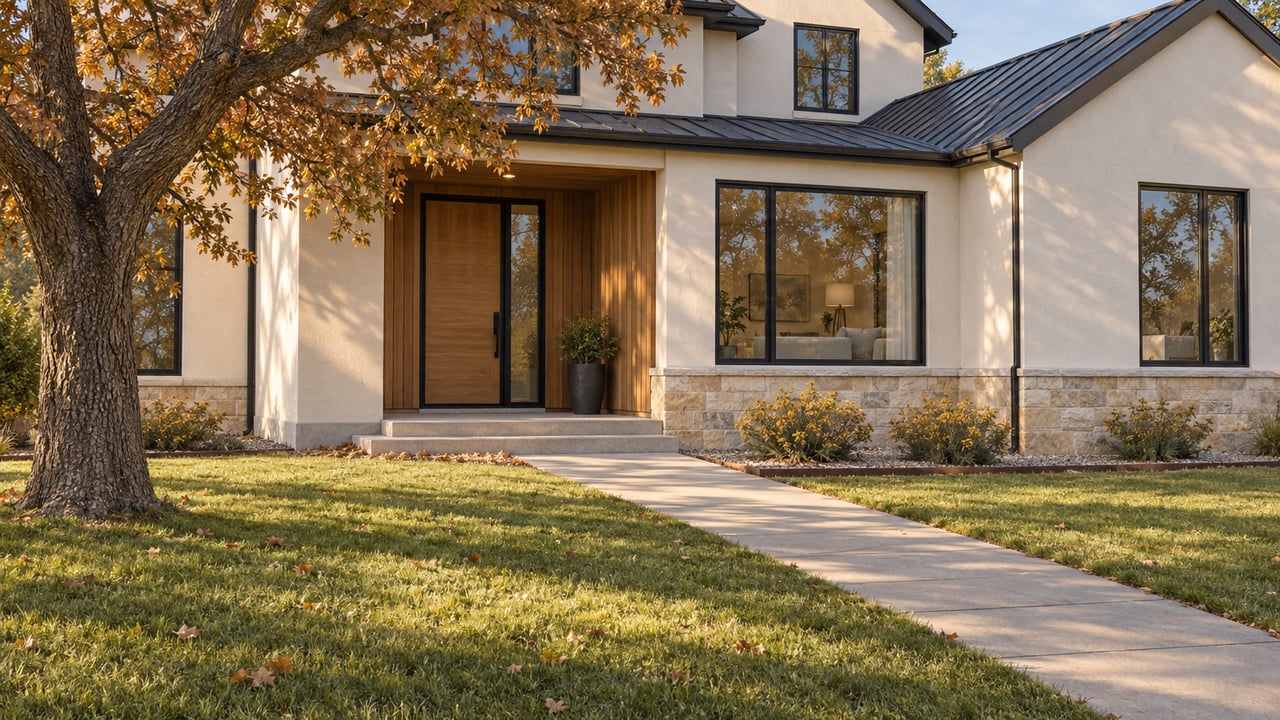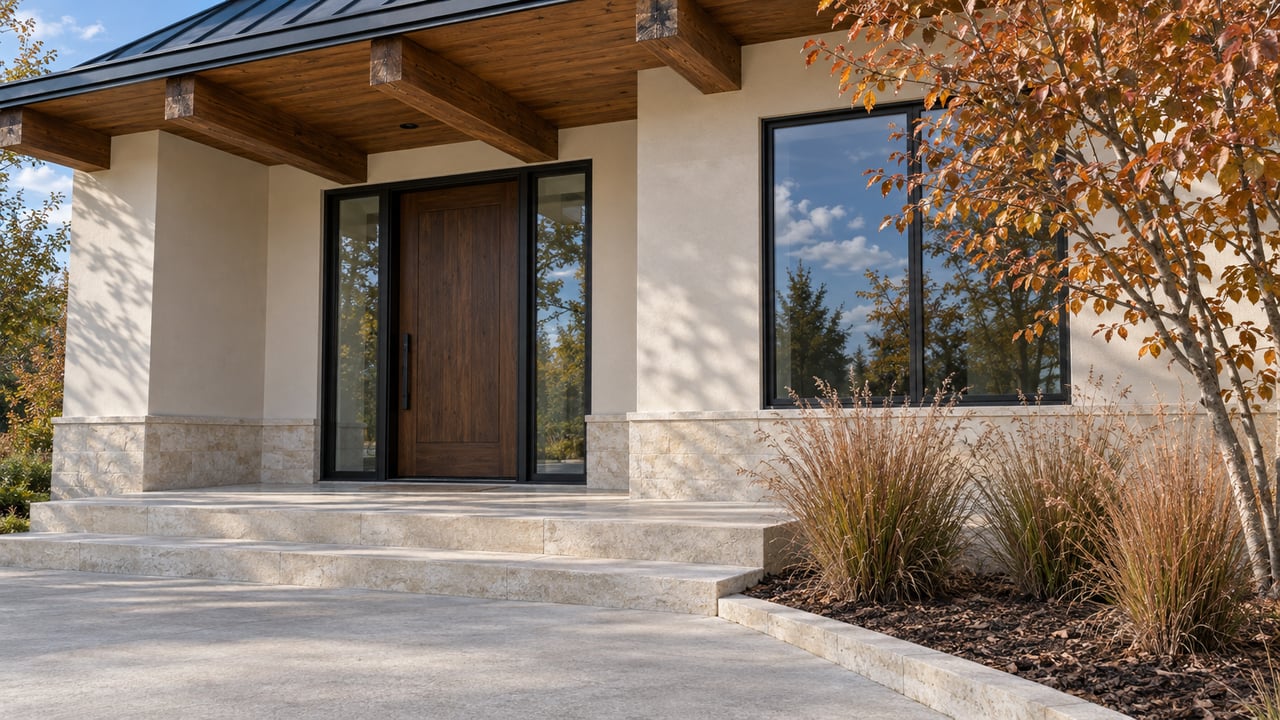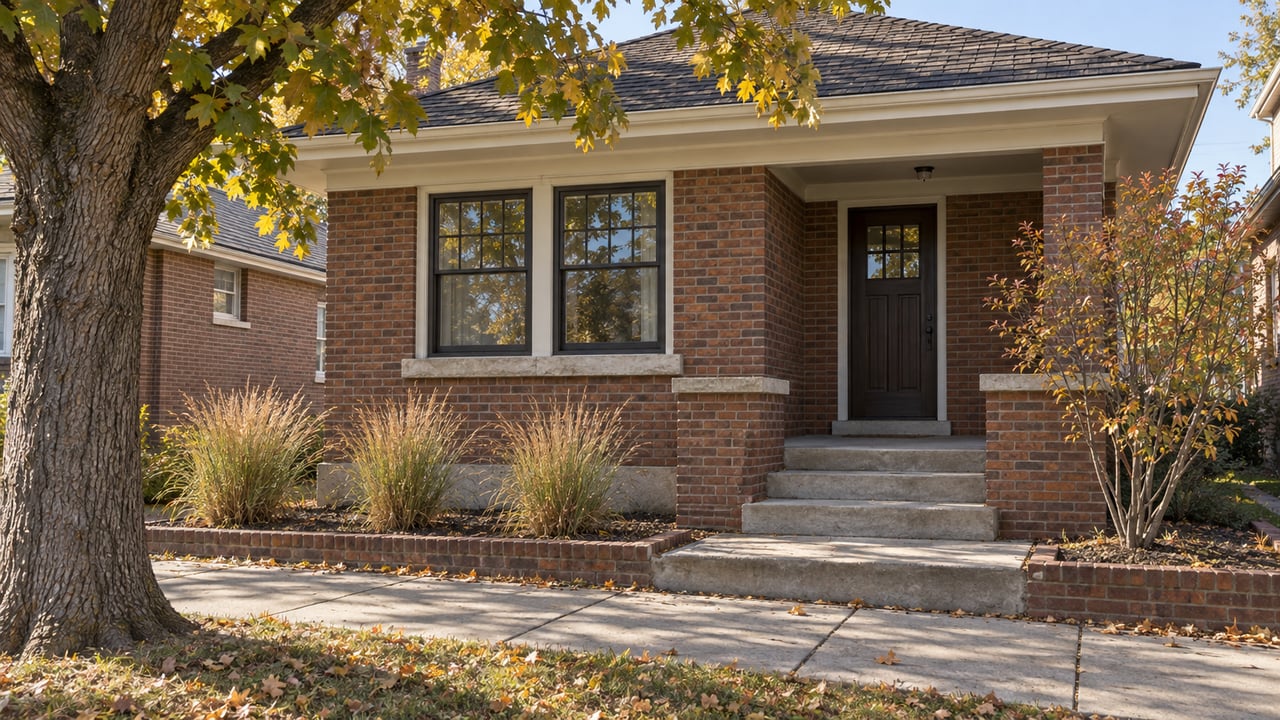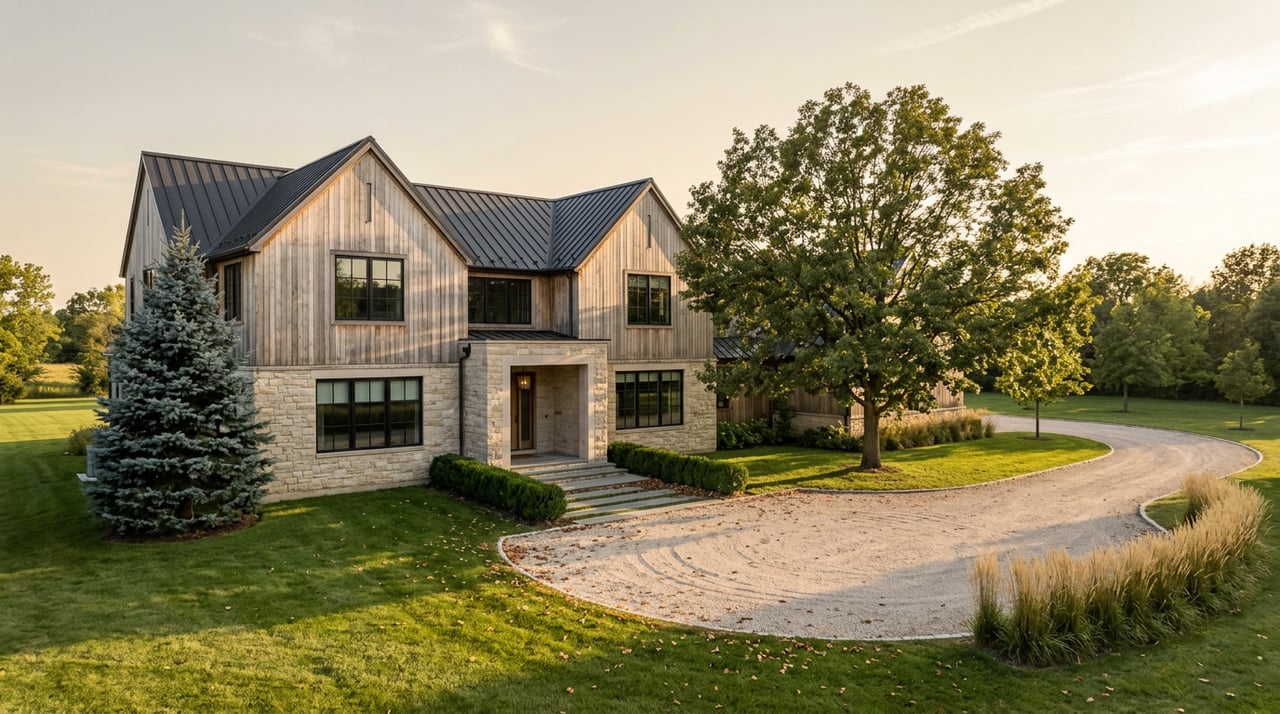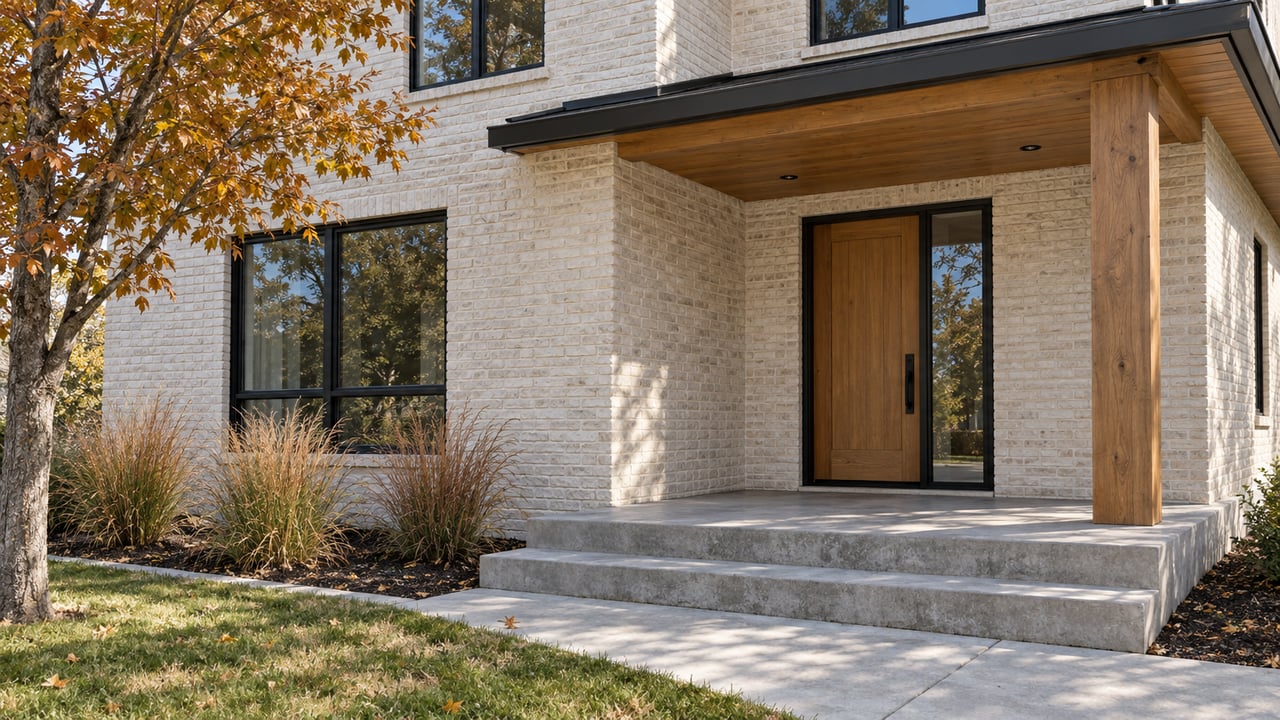
Denver's zoning rewrite for "missing middle" housing changed shape on September 28, 2026, and two changes matter most in Washington Park, Platt Park and Bonnie Brae. The city dropped its proposed limit on the floor area of new houses. It also restricted the new bonuses for extra units to properties within a quarter mile of Transit Priority Streets and rail stations. Together, those two edits keep the main way these blocks redevelop, an older house replaced by a larger single-family home, exactly as it was. Any new flexibility goes to the edges of the neighborhood, near transit, and not to the interior.
For a buyer comparing two similar bungalows a few blocks apart, that gap can matter more than any median price on a portal.
Washington Park is Denver's center of large-home rebuilds
Root Policy Research looked at what actually happens to Denver houses when they come down, in an expected-outcomes analysis dated May 6, 2026 prepared for the city. Citywide, about 237 single-unit houses are redeveloped each year. About 155 of them become larger single-unit homes and 82 become missing-middle units.
Those rebuilds cluster in a few places. Root found that 42% of Denver's conversions to larger single-unit homes between 2010 and 2024 happened in a small group of neighborhoods. Washington Park alone accounted for 16%. The report says "5 neighborhoods" but names four: Belcaro, Hilltop, University/University Park and Washington Park.
Root also projected what would happen after the rewrite. In neighborhoods where demand for larger homes has stayed strong, a group that includes Washington Park, it expects about 12 houses a year to become larger single-unit homes and about 2 to become missing-middle units. That projection came before the September revision. The revision then removed the one tool that targeted the larger rebuilds directly.
The cap that was dropped
The city's own figures explain why a floor-area limit was proposed at all. Over the past 15 years, about two-thirds of Denver's redevelopment demolitions were replaced by larger, more expensive single-unit homes. A size cap would have limited how large a new house could be. That would have changed the numbers for anyone buying a smaller older house to replace it.
The September 2026 presentation to council takes floor-area limits out of Phase 1. It says the city wants to watch actual redevelopment first and may set limits in a future phase. The presentation still includes the lot-size table, now marked Phase 2. For one unit, it showed 3,500 square feet on lots of 5,001 to 7,000 square feet and 4,000 square feet on lots of 7,001 to 10,000 square feet. Those numbers are not in the current proposal. They do show what kind of limit was considered and set aside.
Some rules still apply everywhere. Updated house-scale building-form standards, including bulk plane, sidewall height, dormer allowances and entry porch or canopy rules, would cover all areas within the affected zone districts. Those rules shape what a new house looks like. Without a floor-area cap, they do not stop it from being large.
| Element of the proposal | Before September 2026 | September 2026 revision |
|---|---|---|
| Floor-area cap on new houses | Proposed | Removed from Phase 1, possible future phase |
| Retention and affordability bonuses | Broader citywide scope | Only within ¼ mile of Transit Priority Streets and rail stations |
| House-scale form standards | Citywide | Still citywide within affected zone districts |
| Council vote | Late 2026 per city FAQ | Spring 2027 per revised schedule |
What the bonuses allow, and where
On blocks inside the transit buffer, the revised proposal adds two ways to build more than one primary unit on a single-unit or two-unit lot. The limit is 4 primary dwelling units in Urban and Urban Edge contexts and 2 in Suburban contexts.
The retention bonus applies when the existing house is at least 5 years old and is kept for 5 years. No affordable unit is required. New units can go inside the retained house, in an addition, or in one or more new primary structures. Lots without an existing primary structure do not qualify.
The affordability bonus applies when one unit is affordable to households at or below 70% of area median income for rentals, or 100% for ownership. Adding more affordable units does not earn more bonus.
The retention bonus is the one that matters for an older Wash Park or Platt Park house. Today, an owner who wants more space mostly has one route, which is to tear down and rebuild larger. On a qualifying lot, the bonus would add another route, which is to keep the bungalow and add up to three more units behind it or beside it. That gives the lot a second kind of buyer, but only if the lot sits inside the buffer.
Mapping the edges
The buffer is drawn from Blueprint Denver's Transit Priority Streets, which the presentation says are also Transit Capital Investment Corridors in Denver Moves: Transit. Denverite's September 28 report names Mississippi Avenue among the transit priority corridors. The Denver Moves: Transit corridor map for this part of the city also labels Alameda, University, Broadway/Lincoln and Jewell/Evans/Iliff. Rail stations count too. RTD's Louisiana–Pearl station at 755 E Louisiana Ave is served by the E and T lines.
A quarter mile is roughly a five-minute walk. Measured from those corridors and the station, the buffer would reach into the blocks along Mississippi, near the station, and along the outer edges of the area. The interior streets around the park itself are the least likely to qualify. The city has not published neighborhood-level boundaries, and the extracted map text does not confirm the status of streets such as Downing or Logan. The draft map covers about 54% of land zoned SU, TU or the equivalent older districts, and CPD says the final map will exclude areas where transit service cannot be provided. Whether any particular house falls inside is still an open question.
Planners were open about why they narrowed it. City planner Rob Elsasser said at the September briefing:
"Ultimately our charge is to bring something forward that we can get adopted. And if we have to take steps to get there, then that's what we recognize we need to do."
Why the edge-block option may stay small
Even on qualifying lots, Root's projection of roughly 2 missing-middle conversions a year in neighborhoods like Washington Park suggests the bonus will be used sparingly. The current market points the same way. DMAR's September 2026 report put metro attached homes at 7.21 months of supply, with a median close price of $365,500, down 6.28% from a year earlier. Overall supply was 4.76 months. Duplexes and fourplexes would enter the segment where metro supply is already deepest. Detached homes were steadier. The Denver Post reported a September 2026 detached median of $635,000, flat from a year earlier.
These are metro-wide figures, not neighborhood figures. Still, they fit Root's expectation. A builder deciding between one large house and several smaller units on a Washington Park lot is weighing a detached market that has held its value against an attached market with more supply and falling prices.
The calendar from here
None of this is law yet. The revised schedule runs as follows:
- Advisory committee meeting on October 20, 2026
- Public meetings from November 4 to 19, 2026
- Amendment drafting and a Planning Board hearing in winter 2026/2027
- Community Planning and Housing Committee review, then a City Council hearing and vote in spring 2027
The city's project FAQ still says council would consider Phase 1 in late 2026. The newer presentation and Denverite's reporting both put the vote in spring 2027. The closest public meeting for this part of the city is Thursday, November 19, 5:30 to 7:30 p.m., at Harvard Gulch Recreation Center, 550 E Iliff Ave. A virtual session is scheduled for November 4 at 5:30 p.m.
FAQ
Does this change what can be built on a Washington Park lot today? No. The proposal is in draft form, and the council vote is scheduled for spring 2027. Current zoning stays in effect until anything is adopted.
Are Platt Park and Bonnie Brae named in the city's analysis? Root Policy's examples name Washington Park but not Platt Park or Bonnie Brae. Whether lots there qualify for the bonuses depends on the final transit buffer map, which is not finished.
Could a size cap on new houses still come back? The September 2026 presentation says floor-area limits may be considered in a future phase after the city watches actual redevelopment. Phase 2 is expected to begin in 2027.
Is a house near Mississippi Avenue or the Louisiana–Pearl station guaranteed to qualify? No. The map is labeled draft, and the city plans to exclude areas where transit service cannot be provided.
If you own a bungalow near the edge of the transit buffer, or you are weighing one against an interior block, Wadsworth Property Group can look at the lot, check its position against the city's map as it is finalized, and price it for both a large-home rebuild and the retention-bonus option. Request a free home valuation and consultation, and we will walk through how the spring 2027 timeline could affect your property.
This article is general information, not legal, tax or financial advice. Consult a qualified professional about your situation.